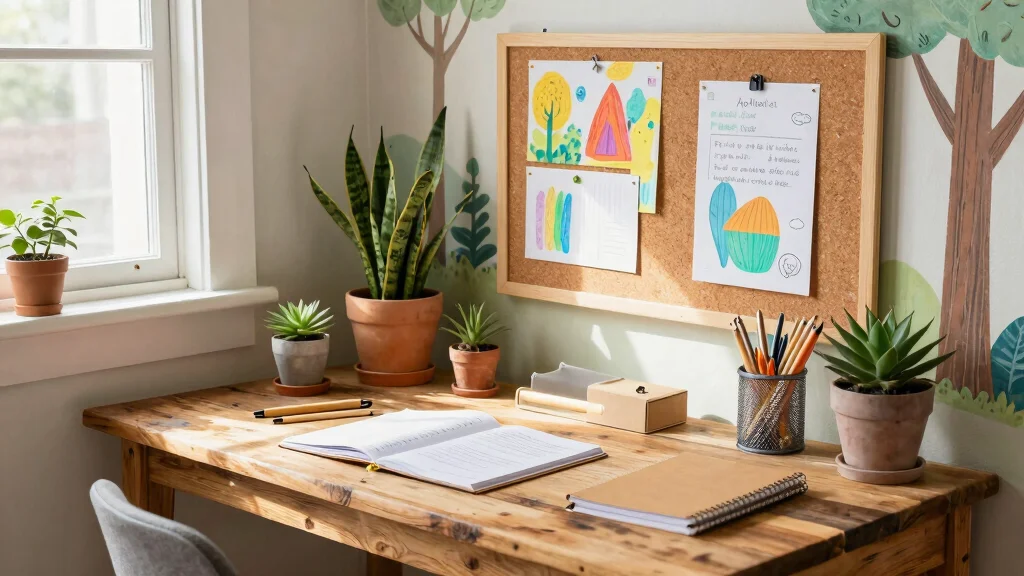
Creating an effective homeschool desk is essential for fostering a productive learning environment. As someone who is passionate about eco-friendly practices, I wanted to share ideas that not only organize your learning station but also contribute to a sustainable lifestyle. This post is for parents and educators who value both style and functionality in their home learning spaces. If you’re looking for creative ways to set up a desk that inspires and motivates your child while being gentle on the planet, you’re in the right place.
In this blog post, you’ll discover 12 unique homeschool desk ideas that prioritize organization and sustainability. From repurposed vintage furniture to DIY projects that add a personal touch, each suggestion will help you create a vibrant and functional study space. These ideas go beyond mere aesthetics; they embrace minimalism and creativity, ensuring that you have a desk setup that is not only beautiful but also conducive to focused learning. Let’s dive into these eco-friendly homeschool desk ideas that will enhance your child’s learning experience while promoting a greener lifestyle.
Key Takeaways
– Discover how to incorporate repurposed vintage furniture into your homeschool desk setup, giving old pieces a new life while adding character to your space.
– Explore minimalist designs with natural materials to create a tranquil learning environment that reduces distractions and promotes focus.
– Learn about the benefits of adjustable desks, allowing flexibility for comfort, which is key for long study sessions.
– Find inspiration in nature-inspired decor that brightens your space and fosters a love for the environment.
– Consider sustainable storage solutions to keep your learning materials organized without compromising eco-friendly values.
1. Repurposed Vintage Furniture
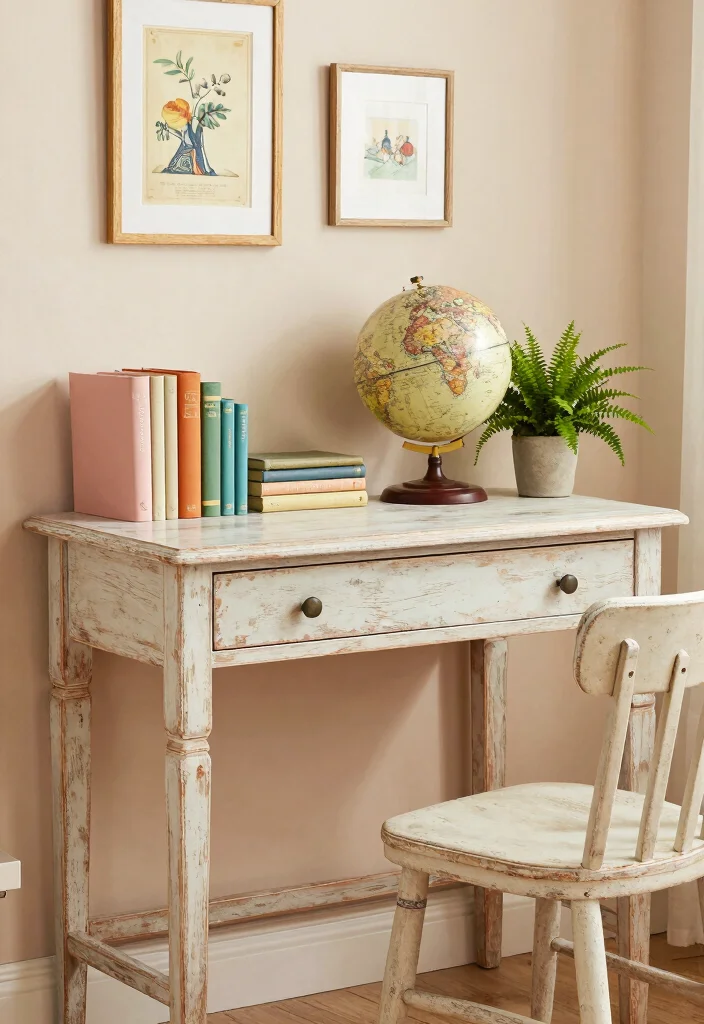
Dive into the charm of vintage furniture by giving it a new purpose in your homeschool space.
Repurposed pieces, like a charming old desk or dresser, not only add character but also tell a story. Using eco-friendly stains or paints revitalizes these gems while minimizing waste, making each piece a unique addition to your learning station. Imagine pairing a vintage desk with a cozy, reclaimed chair, creating a warm and inviting atmosphere.
To maximize your vintage vibe, consider these ideas:
– Look for furniture with solid structure for easy restoration
– Use eco-friendly finishes to maintain sustainability
– Accessorize with plants or decor that enhances the vintage charm
This approach not only inspires creativity but also fosters meaningful conversations among young learners, enriching their educational experience. Incorporating various textures and materials enhances the overall aesthetic, making the space feel lived-in and loved.
2. Minimalist Design with Natural Materials
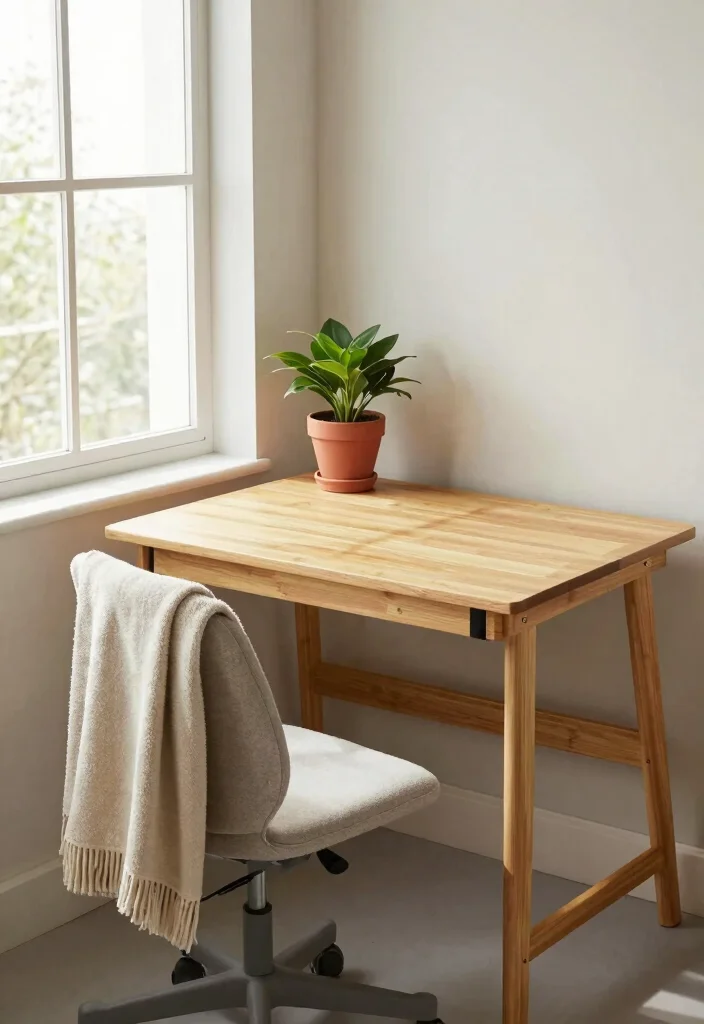
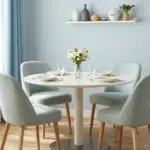
If simplicity speaks to you, a minimalist design can establish a serene and focused learning environment.
A sleek desk crafted from bamboo or reclaimed wood can set the tone, complemented by accessories made from organic materials. A clean workspace minimizes distractions, allowing your students to concentrate fully. Position the desk by a window to harness natural light and introduce a small indoor plant for a dash of greenery.
Implement these practical tips for a minimalist approach:
– Choose a desk with streamlined lines for a clean look
– Add decorative items in soft, earthy tones
– Maintain a clutter-free surface for a calm vibe
This design not only promotes clarity in thought but also emphasizes eco-friendly choices. Textures from natural materials enhance the overall appeal, creating a peaceful educational space.
Pro tip: Minimalist desks, crafted from bamboo or reclaimed wood, cut clutter and boost focus. When you align your homeschool desk ideas work stations with natural light, students stay calmer and more productive.
3. Adjustable Desks for Comfort
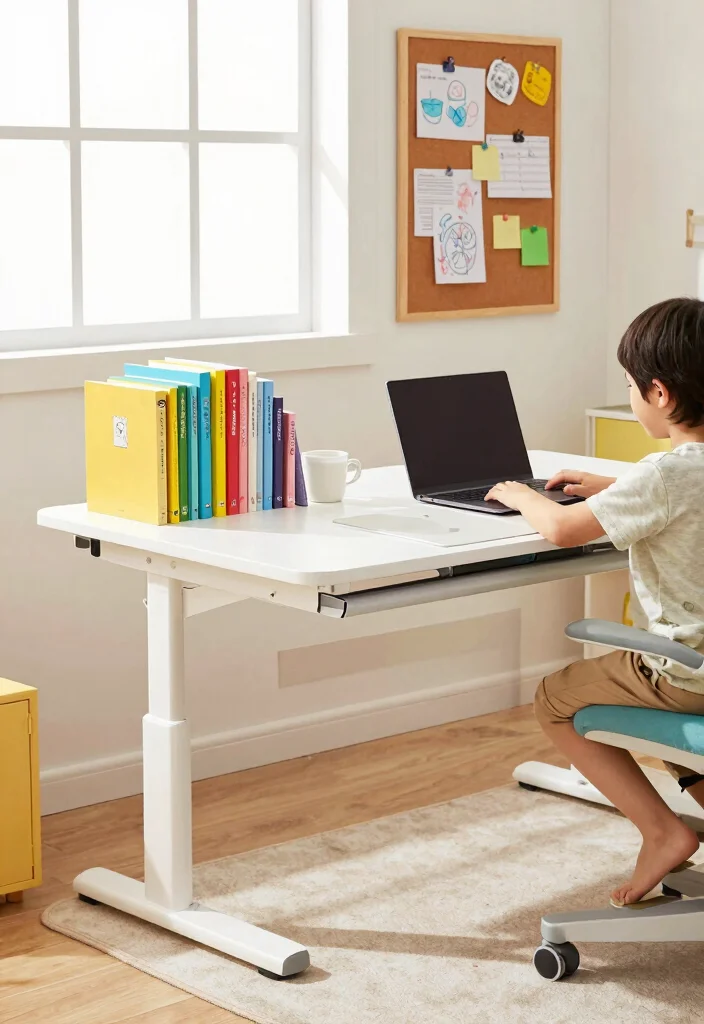
Flexibility is essential in learning environments, especially as children grow and their needs change.
Adjustable desks that allow sitting or standing options can significantly improve posture, comfort, and focus. Opt for desks made from eco-friendly materials to support sustainability while prioritizing health. Seek models that feature user-friendly adjustment mechanisms and sturdy designs to accommodate various activities.
Consider these suggestions for incorporating adjustable options:
– Select a desk that adapts to your child’s height
– Incorporate ergonomic accessories like a supportive footrest
– Use the standing option for engaging learning sessions
This versatility encourages active participation in learning. Adding various textures can enhance the experience, making the space more dynamic and appealing.
Adjustable Desks for Comfort
Editor’s Choice




4. Nature-Inspired Decor
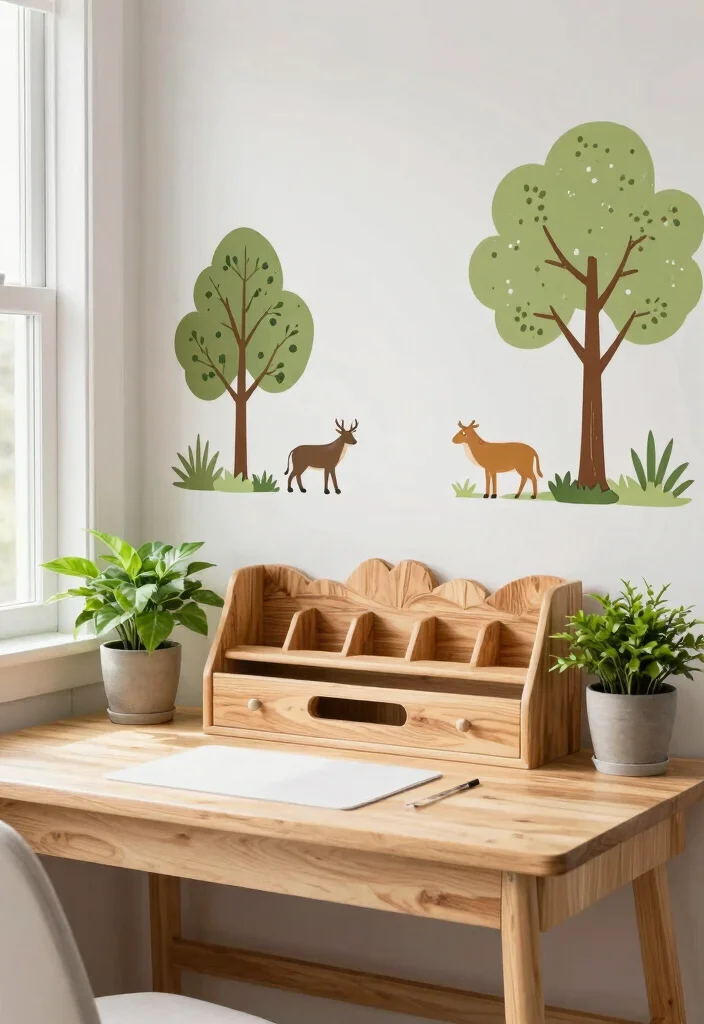
Infusing your learning space with elements from nature can spark creativity and bring a sense of calm.
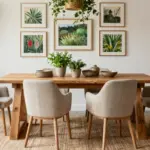
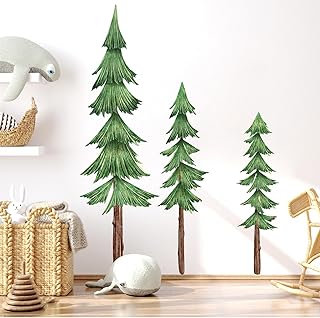
Incorporate decor that reflects the outdoors, such as wooden accents, stone decorations, and live plants. Items like a driftwood pencil holder or a stone paperweight provide an organic touch to your desk setup. A nature-themed mural or wall decals featuring trees or animals can create a joyful atmosphere, enriching the learning experience.
Enhance your decor with these ideas:
– Choose earthy paint colors for a natural feel
– Include low-maintenance plants for a touch of greenery
– Opt for materials that mirror the beauty of the outdoors
This connection to nature not only beautifies the space but also promotes a tranquil learning environment. The variety of textures and materials contributes to a warm and inviting atmosphere.
Nature-Inspired Decor
Editor’s Choice




5. DIY Projects for a Personal Touch
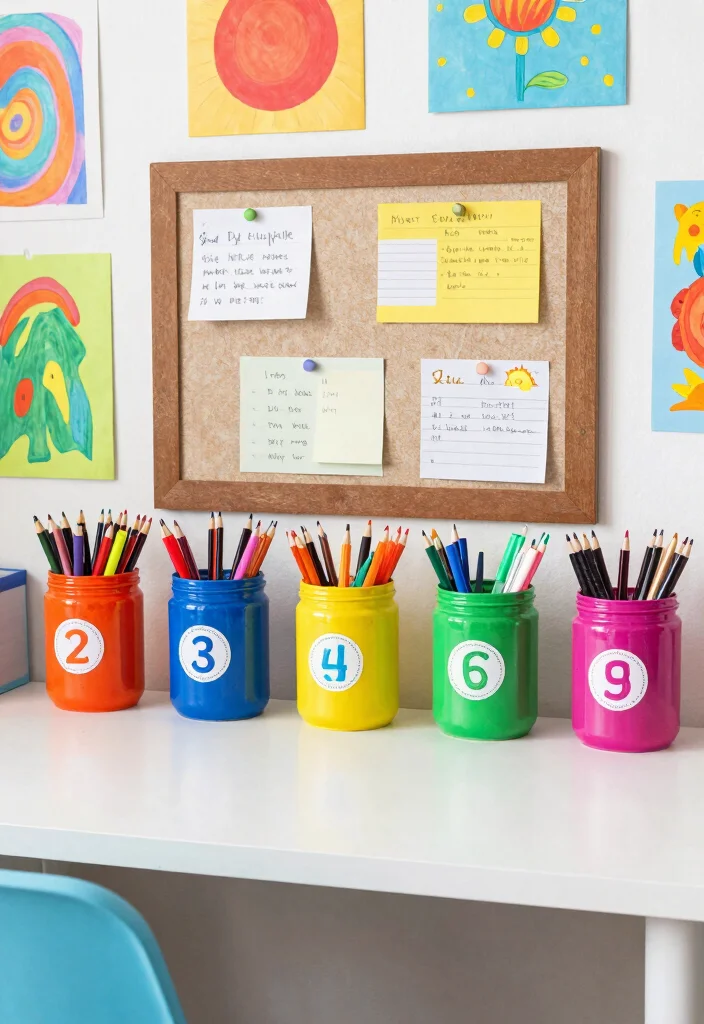
Spark creativity by involving your children in designing their own desk accessories through fun DIY projects.
Using recycled materials keeps costs down and teaches valuable lessons in sustainability. From custom-painted jars for organizing stationery to upcycled fabric bulletin boards, the possibilities are endless. Personal touches like these make the workspace feel special, inspiring kids to take pride in their environment.
Here are some DIY suggestions to get started:
– Use old jars for storage and let kids decorate them
– Create a bulletin board from leftover materials and fabric scraps
– Involve children in the creative process to enhance their skills
This hands-on approach not only personalizes the space but also fosters a sense of ownership. Incorporating various textures makes the workspace more engaging and unique.
6. Multi-Functional Spaces
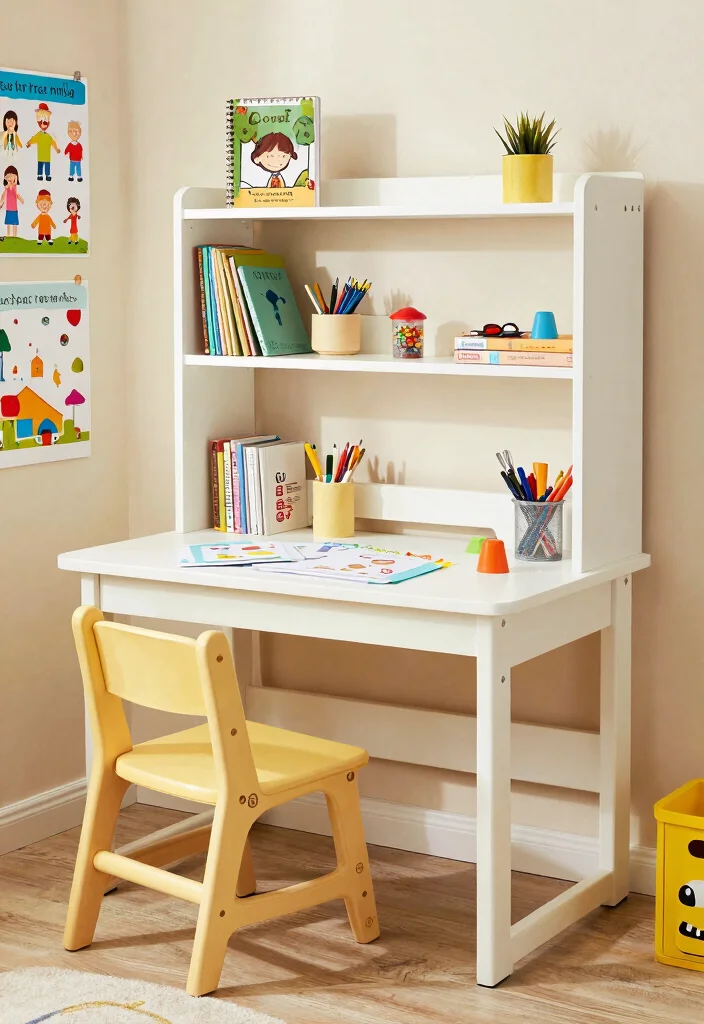
In smaller homes, making the most of your space is crucial for effective learning.
Consider furniture that serves multiple purposes, such as a desk that doubles as a craft station or a bookshelf that holds school supplies. This strategy promotes organization and efficiency, ensuring every inch is utilized wisely. Look for innovative solutions that blend style with functionality, creating a harmonious flow in the learning environment.
Try these ideas for multi-functional spaces:
– Use a foldable desk that can be stored easily
– Incorporate stylish storage solutions that are practical
– Designate specific areas for different activities to maintain focus
By maximizing your space, you create a more organized and inviting atmosphere. The right combination of materials can enhance the overall aesthetic, making learning enjoyable.
7. Bright and Cheerful Colors
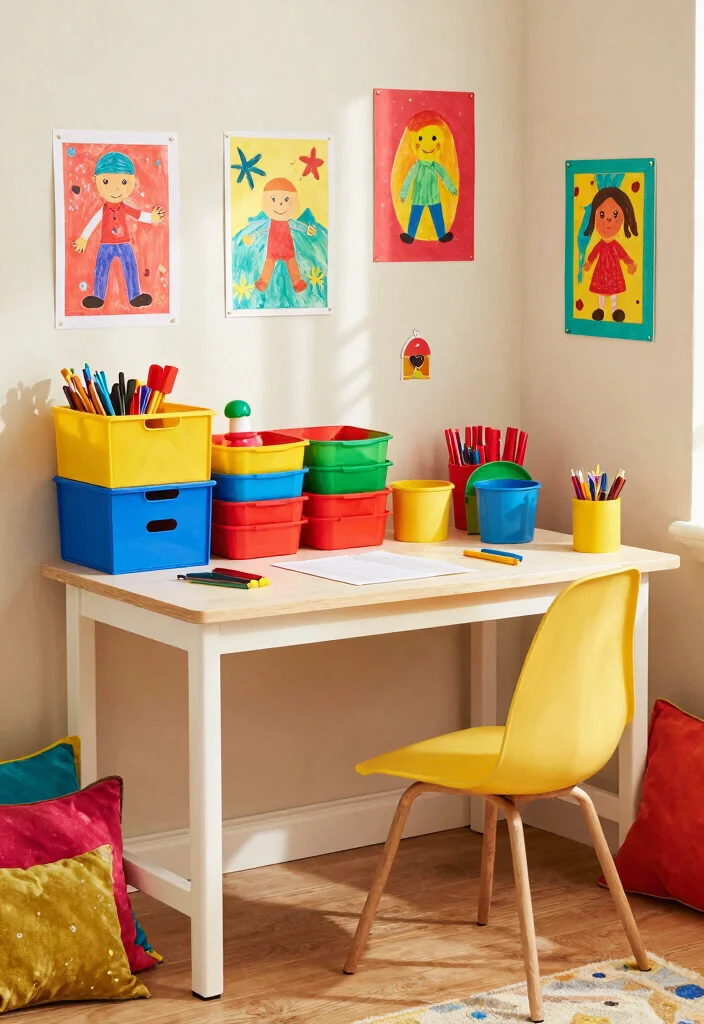
Colors play a significant role in influencing mood and productivity.
Integrate bright and cheerful hues into your homeschool space to foster an energetic and welcoming atmosphere. Opt for eco-friendly paints and sustainable materials while selecting color palettes that inspire positivity. Soft pastel tones or vibrant accent colors can highlight specific learning areas without overwhelming the senses.
Consider these tips for incorporating color:
– Pick hues that reflect your child’s personality
– Use colorful storage bins for both organization and decor
– Change seasonal decorations to keep the space exciting
Bright colors not only uplift the mood but also create an inviting learning environment. The interplay of textures and colors enhances the overall experience, making it vibrant and engaging.
Bright and Cheerful Colors
Editor’s Choice


8. Eco-Friendly Technology Solutions
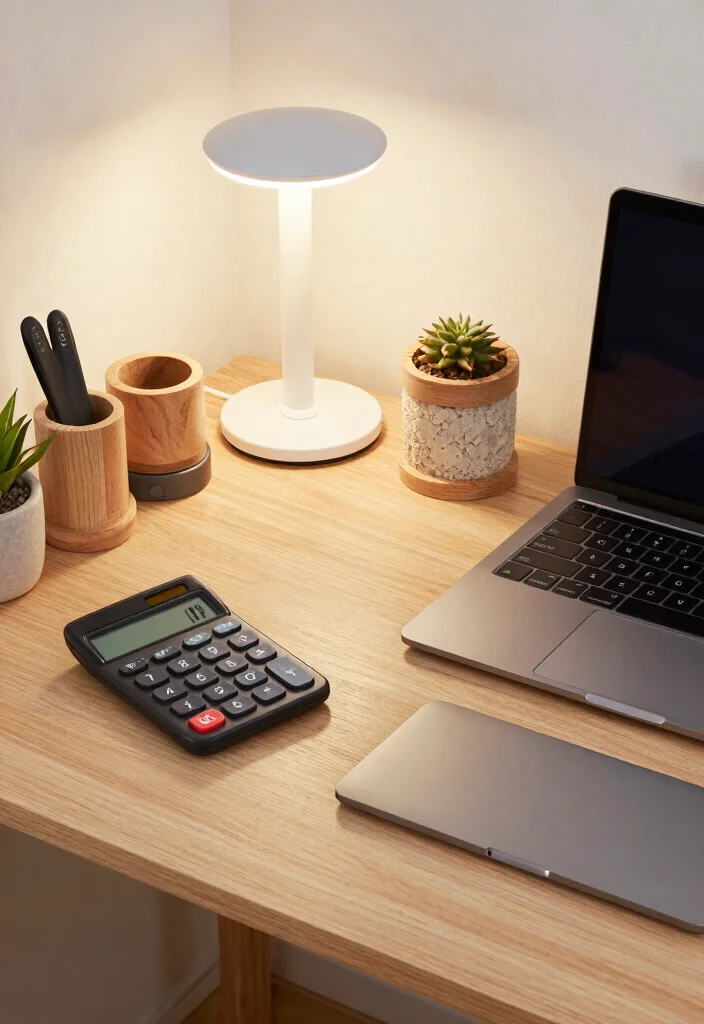
In our digital age, integrating eco-friendly technology is crucial for a modern learning environment.
Look for energy-efficient devices, like LED desk lamps or solar-powered calculators, that align with your sustainable practices. Encourage the use of digital resources to minimize paper waste, balancing technology with traditional learning methods. A tech charging station made from recycled materials can help keep your devices organized and charged.
Implement these strategies for eco-friendly tech:
– Research energy-efficient electronics and tools
– Teach responsible tech use and digital citizenship
– Establish routines to minimize energy waste, like unplugging when not in use
This approach not only supports sustainability but also prepares children for a tech-savvy world. The combination of modern devices and eco-friendly materials enhances the learning atmosphere.
Cost Breakdown & Budget Planning
Creating an eco-friendly homeschool desk that suits your learning style doesn’t have to break the bank. Here’s a detailed budget guide to help you plan your spending wisely.
Cost Breakdown by Category:
– Materials/Products: $150 – $800
– Tools/Equipment: $50 – $300 (if DIY)
– Labor/Professional Installation: $100 – $500 (if needed)
– Optional Extras: $20 – $150 (decor, organizers)
Budget Tier Breakdown
Basic Economy Tier $
– What’s included: You’ll find the minimum viable option, such as a simple table and a chair made from recycled materials. You might choose basic supplies, like pens and notebooks, to keep costs low.
– Good for: Families just starting out or those on a tight budget seeking functional, no-frills setups.
– Limitations: You may miss out on extra comfort features, personalized touches, and stylish design elements, making the space less inviting.
Mid-Range Tier $$
– What’s included: This balanced option provides a good desk and chair along with storage solutions. You can also consider eco-friendly materials like bamboo or reclaimed wood. Extras like organizers and decorative plants can make the space appealing.
– Good for: Most families who want a functional and organized learning environment without overspending.
– Best value for: Those seeking a combination of comfort, style, and sustainability without going overboard.
Premium Tier $$$
– What’s included: All features, including an adjustable ergonomic desk, high-quality chairs, and sustainable materials. You can personalize with unique decor and learning tools that inspire creativity.
– Good for: Families who prioritize quality and comfort, making learning enjoyable for kids.
– Worth it if: You have the budget to invest in a long-lasting workspace that grows with your child and enhances their learning experience.
Money-Saving Tips:
– Shop second-hand: Look for gently used furniture at thrift stores, online marketplaces, or garage sales. You can find unique items at a fraction of the new price.
– DIY when possible: Get crafty with simple projects. A coat of paint or some new hardware can transform old furniture into something fresh.
– Buy in bulk: Purchase school supplies and materials in bulk to save money. This approach reduces costs and ensures you always have what you need on hand.
– Use natural light: Position the desk near a window. This way, you can save on lighting costs and create a more pleasant learning environment.
Where to Splurge:
– Quality Chairs: Invest in ergonomic chairs. A comfortable seating choice can make a big difference in your child’s focus and posture during study sessions.
– Adjustable Desks: Consider spending on adjustable desks. They can accommodate your child as they grow, promoting proper posture and comfort while learning.
– Eco-Friendly Materials: Choose sustainable materials over cheaper alternatives. Products made from bamboo, reclaimed wood, or recycled materials not only last longer but are also better for the planet.
With these budget insights, you can create an eco-friendly homeschool desk that meets your needs while ensuring a fun and organized learning space. Whether you aim for a basic setup or a premium experience, every dollar spent can contribute to a nurturing environment for your child’s education.
9. Incorporating Learning Tools
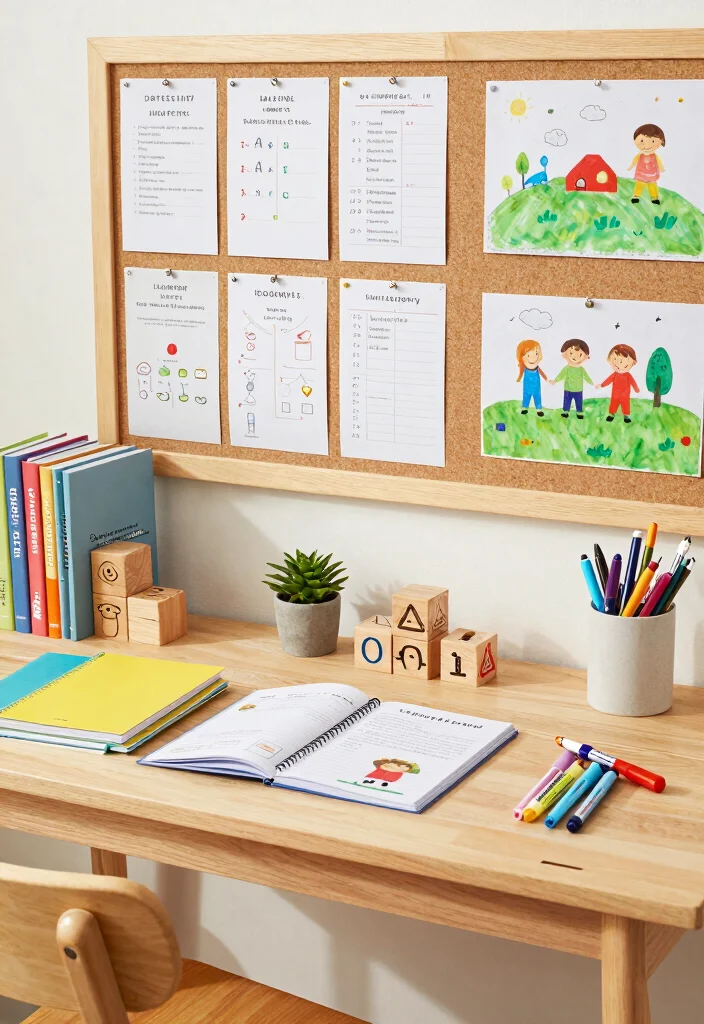
A well-organized homeschool desk should be equipped with engaging and educational learning tools.
Incorporate eco-friendly supplies, such as recycled paper notebooks, plant-based ink markers, or wooden toys that promote creativity. Visual aids like charts or flashcards displayed on a bulletin board can inspire a hands-on approach to learning while supporting sustainability.
Consider these suggestions for effective learning tools:
– Choose materials that are non-toxic and responsibly sourced
– Include diverse learning tools to accommodate different styles
– Encourage personalization of the learning environment with their own supplies
This thoughtful inclusion of learning tools not only enriches the educational experience but also promotes creativity. Using varied textures and materials enhances the overall appeal of the workspace.
Incorporating Learning Tools
Editor’s Choice


10. Personalized Name Plates and Labels
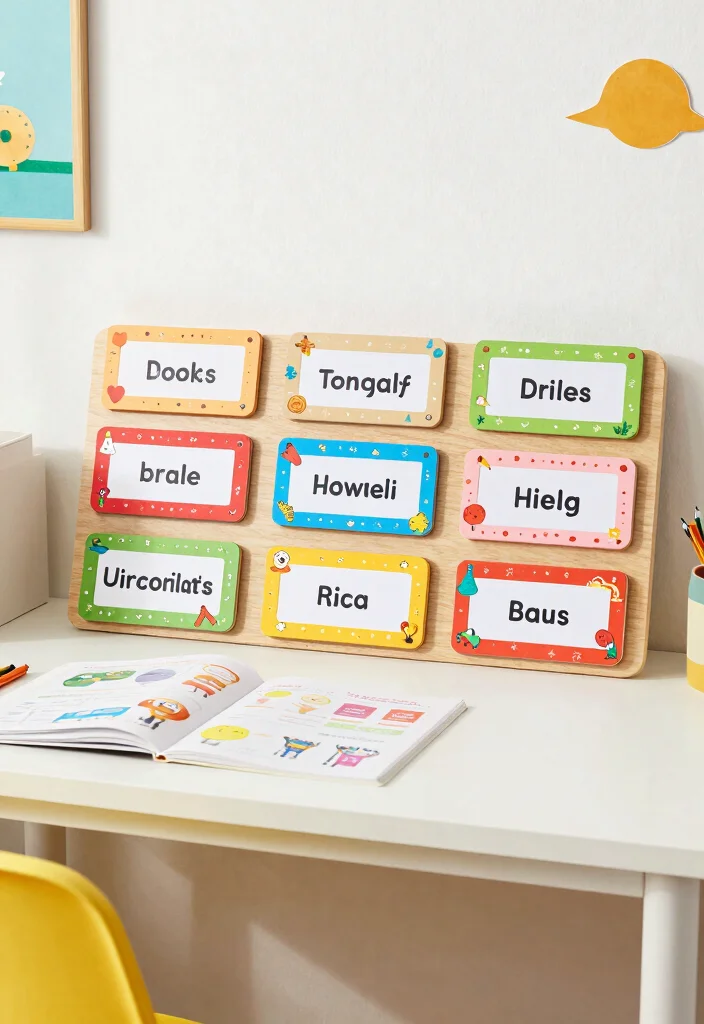
Creating personalized name plates and labels can help children feel more connected to their learning space.
Utilizing biodegradable materials for these elements adds a sustainable touch. Allowing children to design their own name plates fosters creativity and a sense of ownership over their workspace. This simple yet effective addition can transform an ordinary desk into a unique, personal learning haven.
Here are some ideas to personalize your space:
– Use eco-friendly materials like bamboo or recycled paper
– Encourage creative expression in their designs
– Change name plates or labels regularly for variety
This personal connection makes learning more engaging and fun. The use of natural materials adds an inviting texture to the overall aesthetic.
Fun fact: among homeschool desk ideas, kids who design their own name plates and use biodegradable labels boost desk ownership by about 40% and stay on task 20% longer. Personalization turns a regular homeschool desk into a vibrant, sustainable work stations kids love.
11. Sustainable Storage Solutions
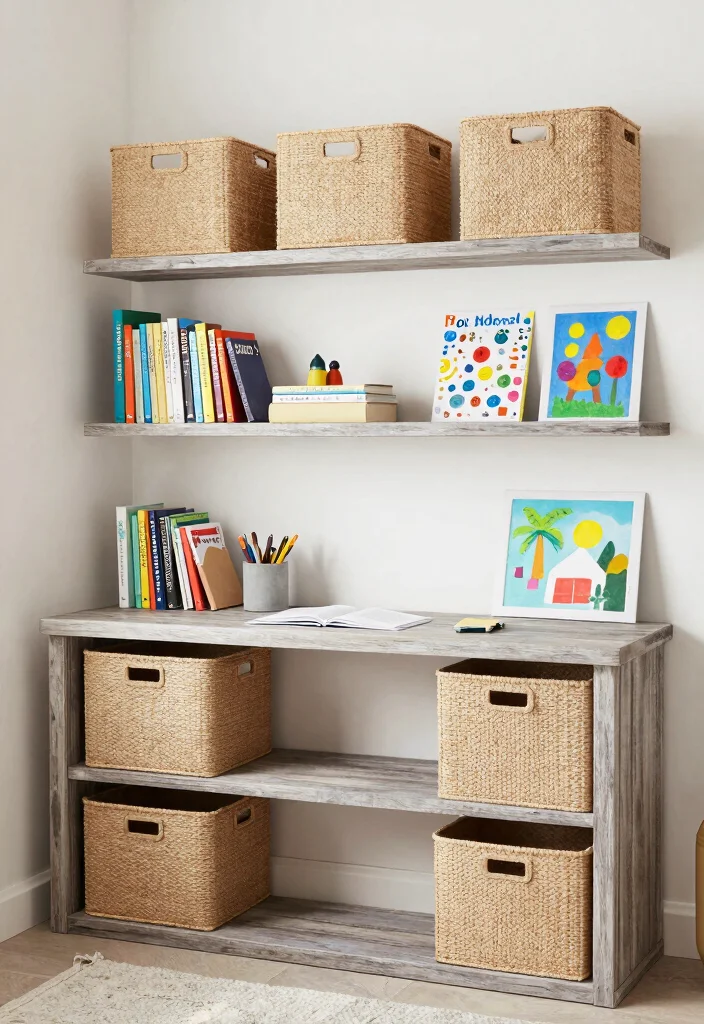
Keeping your learning station organized is vital, especially in a homeschool setting.
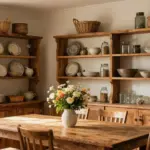
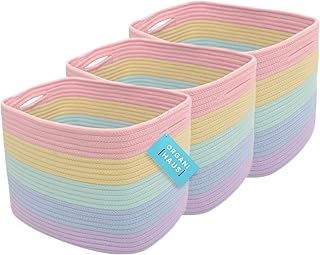
Opt for sustainable storage solutions, like baskets made from natural fibers or shelves crafted from reclaimed wood. These eco-friendly options not only enhance organization but also contribute to a beautiful, cohesive space. Labeling storage areas with biodegradable labels can further improve organization and ensure everything has a designated spot.
Utilize these storage tips:
– Use baskets for easy access to materials
– Incorporate shelves to reduce clutter and showcase achievements
– Choose labels made from recycled materials for sustainability
This thoughtful organization creates a tidy and calming environment. The blend of textures and materials enhances the overall decor, making the space inviting.
Small, sustainable storage turns chaos into calm. Baskets of natural fibers and reclaimed-wood shelves make work stations feel ready for action. Label with biodegradable tags so every item has a home, and your homeschool desk ideas stay organized, inspiring focused learning.
12. Regular Refreshes and Updates
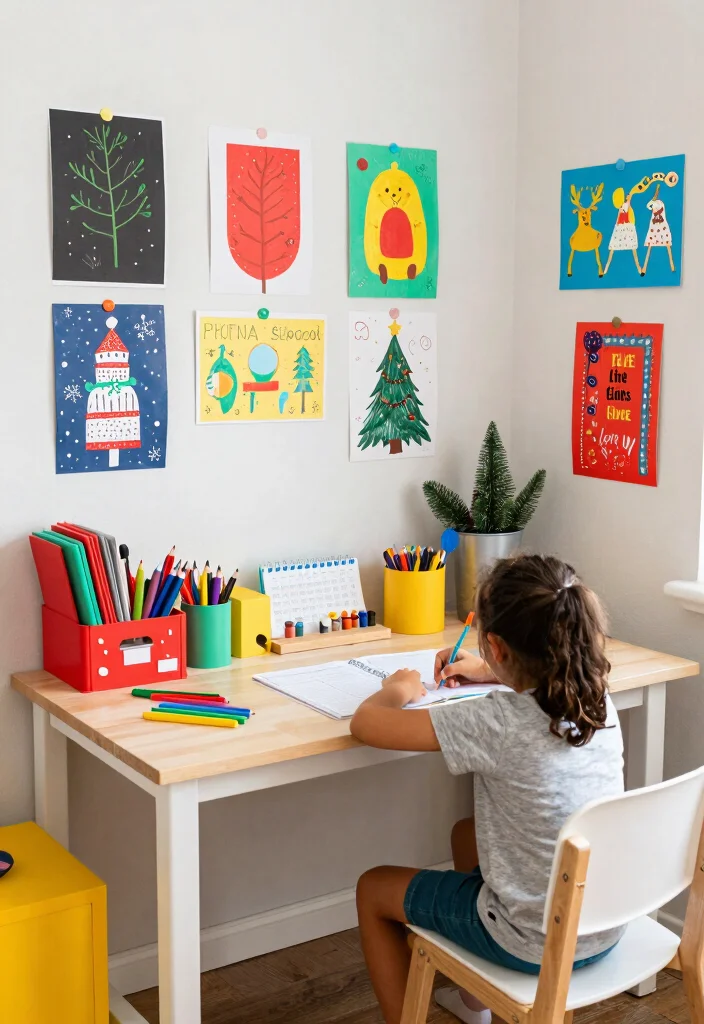
To maintain excitement in the learning space, keeping things fresh and engaging is essential.
Regularly updating decor, rotating books, or even rearranging the layout can rejuvenate the environment. Involving children in these refreshes allows them to take ownership of their space. Seasonal decor or themes can also spark new educational opportunities and enhance creativity.
Consider these ideas for regular updates:
– Set a seasonal schedule for refreshing the desk
– Allow kids to contribute ideas for decor changes
– Celebrate updates with a small decorating party for fun
This ongoing engagement fosters excitement in learning. The fresh textures and materials enliven the space, making it dynamic and stimulating.
Regular Refreshes and Updates
Editor’s Choice


Conclusion
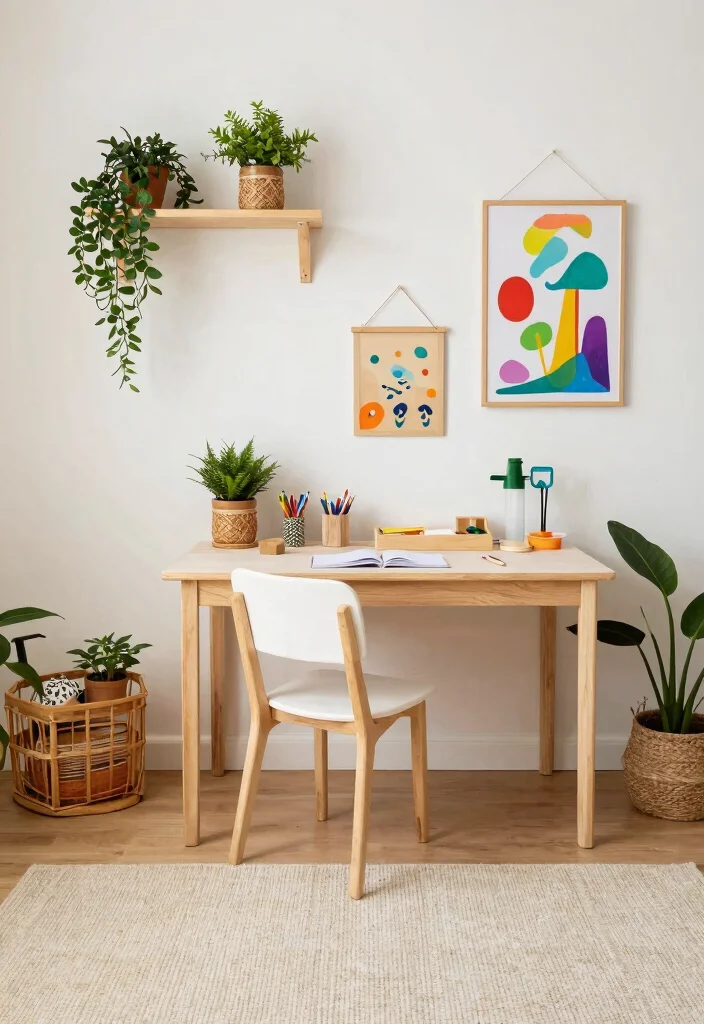
Designing an eco-friendly homeschool desk brings joy and inspiration to learning.
With these twelve ideas, you can transform any space into a sustainable and organized learning environment that fosters creativity and productivity.
Encouraging children to embrace their surroundings while being mindful of the environment sets a solid foundation for their future.
Note: We aim to provide accurate product links, but some may occasionally expire or become unavailable. If this happens, please search directly on Amazon for the product or a suitable alternative.
This post contains Amazon affiliate links, meaning we may earn a small commission if you purchase through our links, at no extra cost to you.
Frequently Asked Questions
What are practical eco-friendly homeschool desk ideas for organized learning stations at home?
These homeschool desk ideas work stations help kids stay focused and make transitions between subjects smoother.
Start with a sustainable base: choose desks made from bamboo, recycled materials, or reclaimed wood. Create a modular layout with three zones: learning, storage, and display. Use upcycled containers for writing supplies and label them for easy access. Add a small plant or natural materials to improve air quality and mood. For a touch of creative workspace solutions, mix textures like cork mats and fabric bins. Keep the area neat with wall-mounted organizers to reduce clutter, supporting homeschool organization. Finally, optimize lighting with natural daylight and a warm LED desk lamp to help focus.
How can I maximize homeschool organization with eco-friendly materials while designing a study space that inspires?
Start with three simple zones: learning, storage, and display to keep everything tidy and accessible.
Use eco-friendly materials like bamboo shelves, recycled bins, and upcycled jars to store supplies—these boost homeschool organization while staying kind to the planet. Create a focal point with a bit of study space inspiration, such as a calendar wall or student achievements board. Choose multi-purpose furniture, like a desk that doubles as a bookshelf, to reduce clutter and learning environment design complexity. Simple routines, daily reset, labeling, and rotating materials, keep your space feeling calm and ready for creative workspace solutions.
What are top tips for learning environment design to promote focus and minimize clutter in a sustainable way?
Think in zones: a dedicated desk area, a nearby storage spot, and a small display wall for progress.
Use a natural color palette and minimal decor to reduce visual distraction, and select durable, repairable materials that support learning environment design and study space inspiration. Add vertical storage like pegboards and cork boards to keep surfaces clear, and use functional desk setups that adapt as subjects change. Include plants or natural textures to improve air quality and mood, making sustainable learning feel inviting.
How can I create functional desk setups that accommodate different ages and subjects without sacrificing sustainability?
Build modular stations: a shared base desk with adjustable height, plus rolling carts or wall-mounted pockets for supplies that can be reconfigured for different ages and subjects.
Choose functional desk setups that grow with your learner—lower shelves for younger kids, higher ones for teens—and favor durable, repairable materials. For sustainability, upcycle containers, use second-hand furniture, and avoid single-use plastics. Label by subject and color code materials to support homeschool organization and learning environment design. End with a quick tidy routine to keep the space creative workspace solutions ready.
What common mistakes should I avoid when setting up eco-friendly homeschool desk stations and how can I fix them quickly?
Common mistakes include overcrowding the desk, buying cheap one-size-fits-all furniture, and ignoring space measurement.
Fixes: measure thoroughly, choose modular pieces, and plan zones for learning, storage, and display; opt for sustainable materials with repairable parts. Avoid plastic clutter by selecting durable, eco-friendly options and repurposing containers. Introduce a daily reset routine and involve your learner in organizing to boost homeschool organization and study space inspiration.