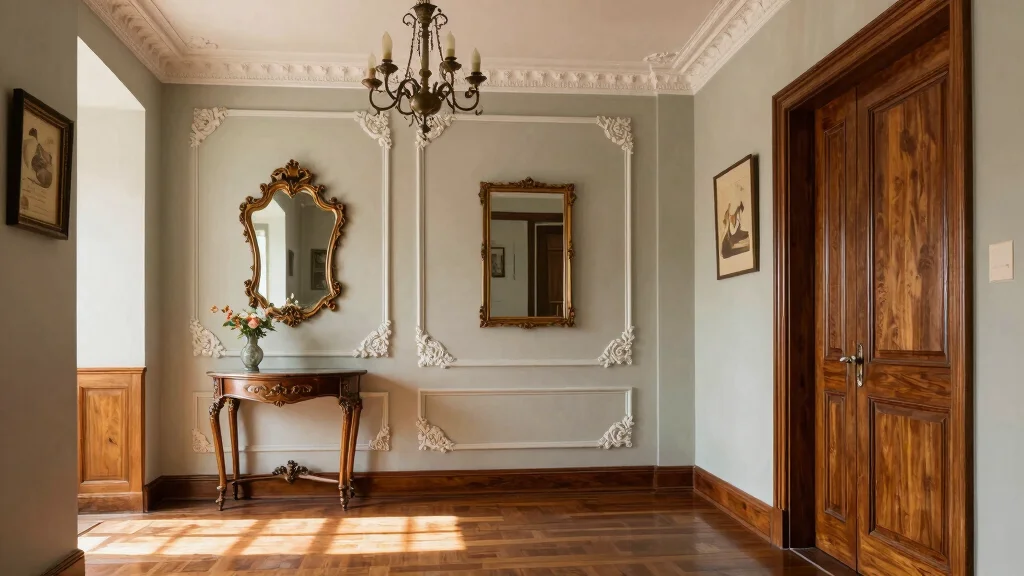
When it comes to transforming your home, very few elements pack as much of a punch as hallway molding. This often-overlooked detail can completely change the vibe of your space. I’ve been on a mission to find hallway molding ideas that not only look beautiful but also add a sense of character and depth to your home. With so many styles to choose from, it can be tough to know where to start.
If you’re someone who loves home decor and appreciates vintage-inspired designs, you’ll find plenty of inspiration here. This post is perfect for homeowners, DIY enthusiasts, or anyone looking to elevate their hallway decor. I’ve gathered 14 unique hallway molding ideas that are stylish, charming, and perfect for creating that inviting atmosphere you desire. Whether you prefer classic elegance or a more rustic feel, there’s something for everyone.
Get ready to explore different molding styles that can enhance your home’s interior design accents. From crown molding styles to intricate wall trim designs, you’ll discover how these architectural details can breathe new life into your hallways. So grab a cup of coffee, and let’s dive into these molding ideas that will help you create a space that truly feels like home.
Key Takeaways
– Discover a variety of hallway molding ideas that can bring character and depth to your space.
– Explore crown molding styles that range from classic to contemporary, perfect for any hallway aesthetic.
– Learn about wall trim designs and how they can enhance your hallway decor with minimal effort.
– Find practical tips on incorporating interior design accents that complement your existing decor.
– Get inspired by architectural details that reflect your personal style and make your hallway a focal point.
1. Classic Crown Molding
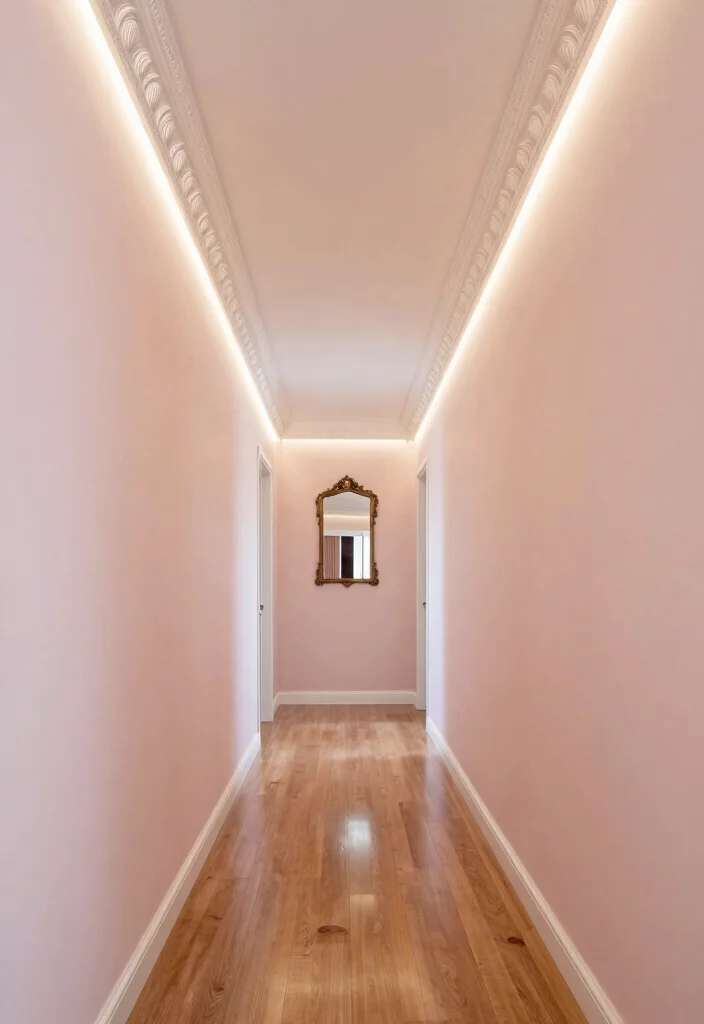
Classic crown molding is a timeless feature that elevates any hallway, creating a graceful connection between walls and ceilings. This architectural element introduces visual harmony, especially when a wider profile is used, enhancing the sense of space and elegance. For a striking effect, consider pairing crisp white or soft cream finishes with a fresh wall color, allowing the crown to stand out beautifully. Intricate designs like egg-and-dart or floral motifs can evoke a nostalgic charm, making your hallway feel inviting and refined.
To make the most of this classic element, you might want to select a semi-gloss finish for added durability and shine. Incorporating LED lights behind the crown can create a warm and uplifting ambiance. If your ceilings are on the lower side, opting for a thinner crown will help create the illusion of greater height.
Consider these ideas:
– Use a semi-gloss finish for durability and shine.
– Install LED lights behind the crown for an uplifting glow.
– If your ceiling is low, opt for a thinner crown to create the illusion of height.
This approach not only adds sophistication but also enhances the overall aesthetic, with textures and materials working together to create a cohesive look.
2. Board and Batten
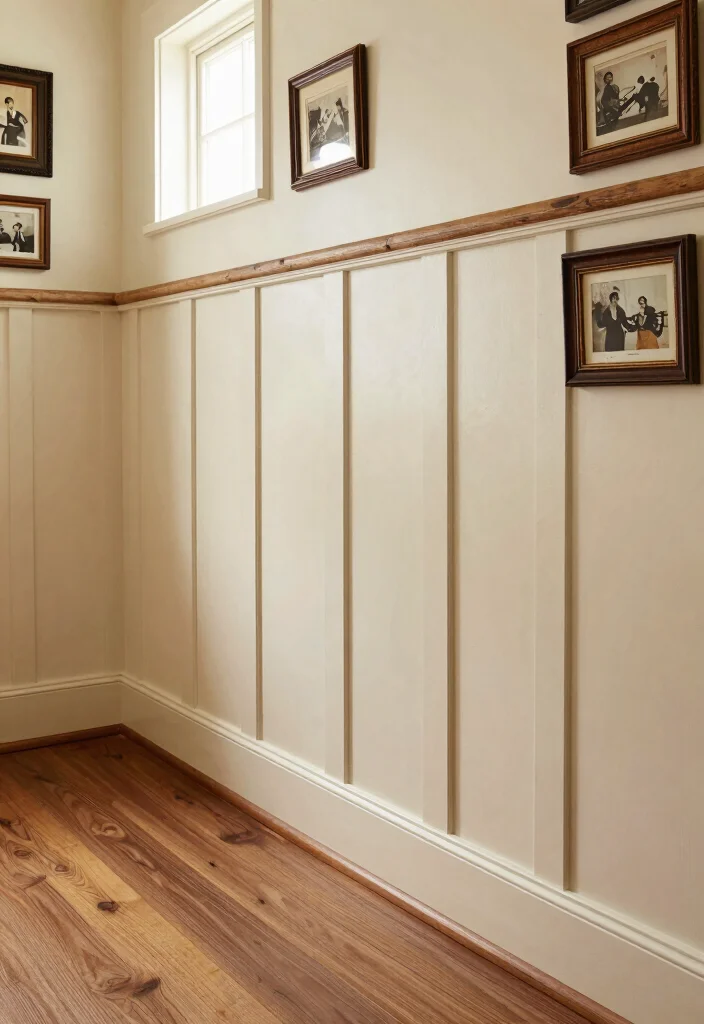
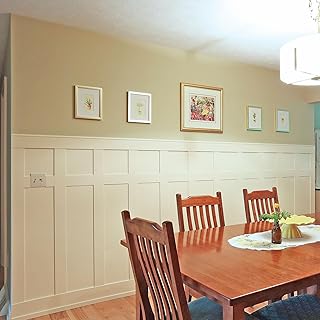
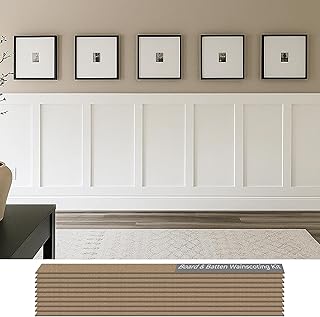
Board and batten molding is a charming way to introduce both texture and depth into your hallway. This design features vertical boards, spaced apart and accented by horizontal battens that cover the seams, creating a layered effect that feels both rustic and refined. Many vintage enthusiasts adore this style for its ability to add character without overwhelming the space.
You can opt for bold colors to make a statement or stick to soft whites and creams for a more understated look. Installing board and batten can make your hallway feel cozier while offering a distinctly architectural flair. For a fresh take, consider placing it halfway up the wall for a contemporary twist.
Suggestions:
– For a modern vintage look, consider using reclaimed wood.
– Pair it with wainscoting at the bottom for a more polished finish.
– Use mixed finishes on the walls and baseboards to heighten interest.
This design choice not only enhances visual appeal but also adds warmth through its layered textures, creating a welcoming environment.
Board and Batten
Editor’s Choice
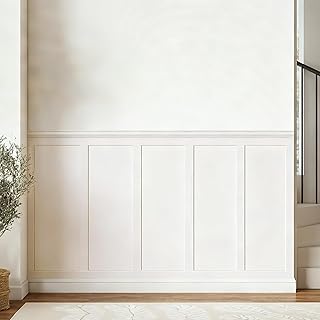



3. Vintage Picture Frame Molding
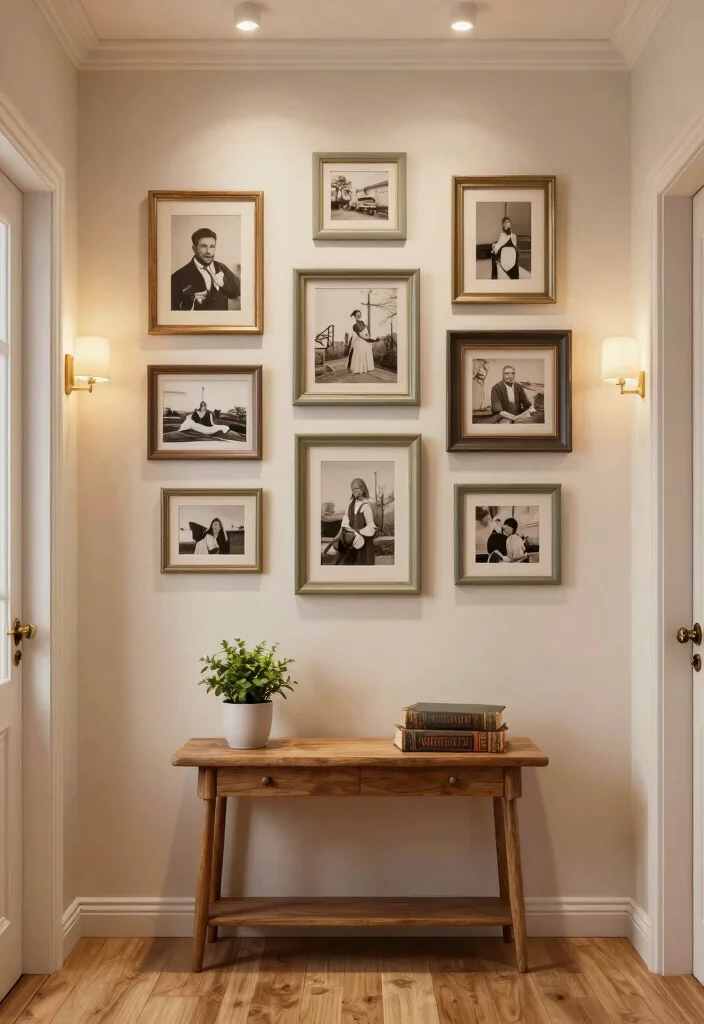
Picture frame molding offers a delightful way to express your personality in the hallway, transforming plain walls into a gallery of memories. By framing artwork or photographs with molding, you create a sophisticated, gallery-like ambiance. The beauty of this style lies in its flexibility; you can customize frame sizes and shapes to showcase your favorite pieces.
Choosing vintage-style molding can amplify the charm, especially with ornate frames that draw attention to your treasured art. Experimenting with various finishes can yield beautiful results; distressed looks add character, while glossy finishes offer a more modern touch.
Consider these tips:
– Mix and match different frame sizes for a more eclectic look.
– Use vintage photographs or prints to enhance the nostalgic vibe.
– Consider adding wall sconces to illuminate your gallery and draw attention to the art.
This style not only personalizes your space but also enhances the overall atmosphere with textures and colors that reflect your unique taste.
Vintage Picture Frame Molding
Editor’s Choice


4. Decorative Chair Rails
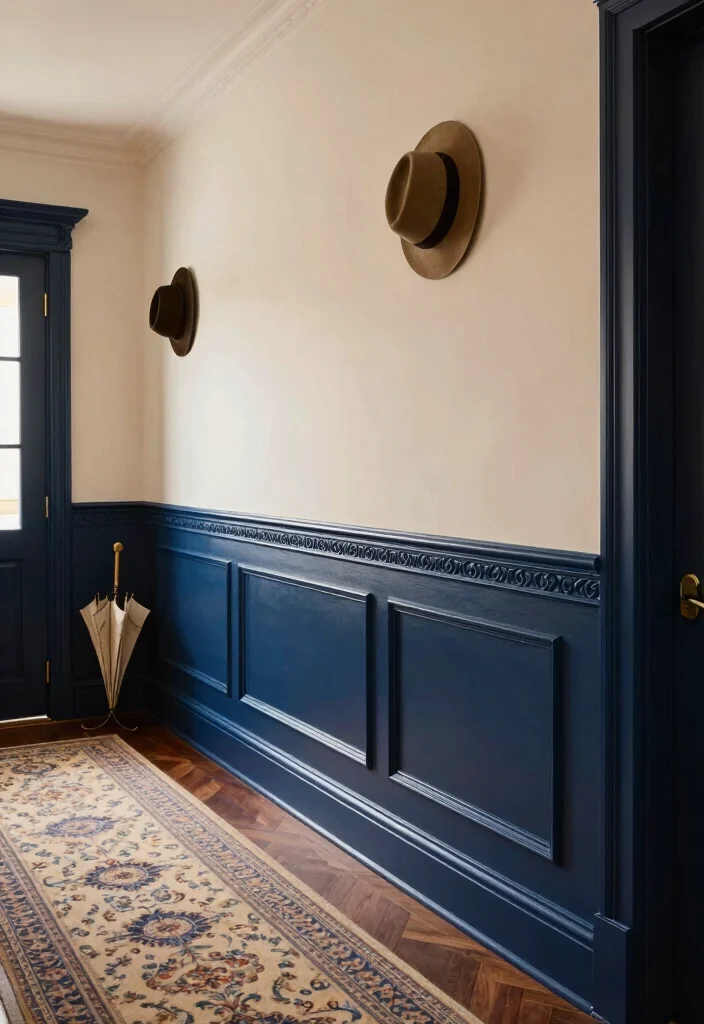
Chair rails are a stylish addition that can effortlessly define wall treatments or colors in your hallway. Originally designed to protect walls, they now serve as elegant accents that enhance vintage-inspired decor. Installing a decorative chair rail can create a visual division, especially beneficial in narrow hallways.
Painting the lower portion a deeper color adds depth, while a lighter upper section maintains brightness. Choosing elaborate woodwork designs can further enrich the vintage aesthetic of your space.
Ideas:
– Use a two-tone color scheme to highlight the charm of the chair rail.
– Consider using wallpaper or stencils below the chair rail to add further interest.
– Coordinate the color of the chair rail with other trim elements in your home for a cohesive look.
This thoughtful approach not only enhances your hallway’s character but also introduces a sense of warmth and sophistication through the use of rich textures.
5. Plank Wall Molding
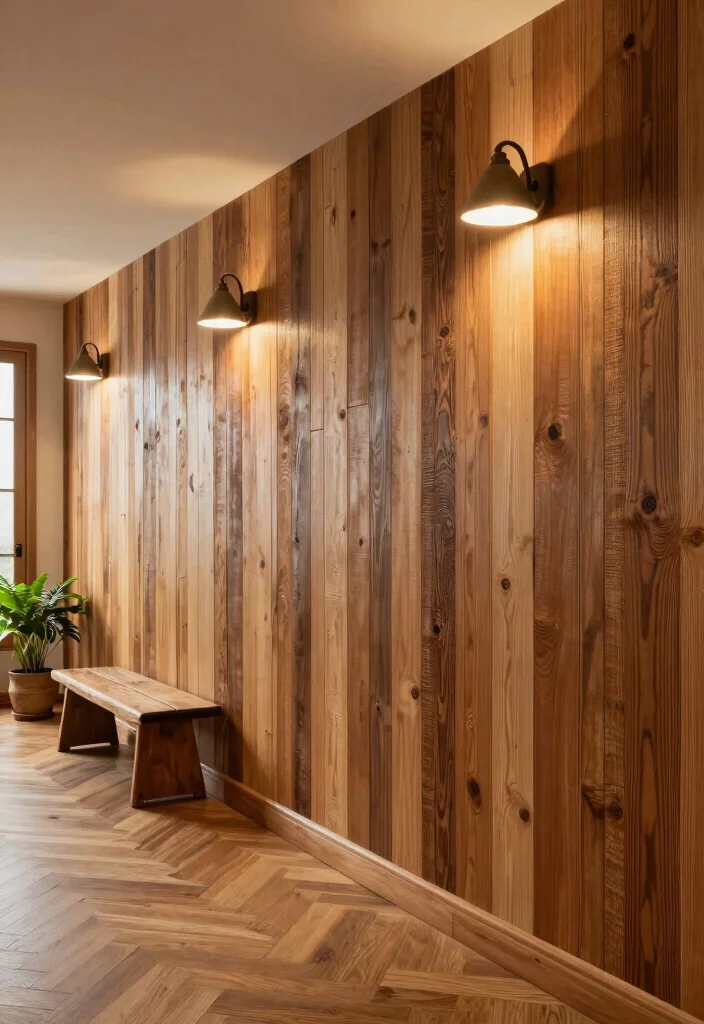
Plank wall molding offers a bold and transformative choice for hallways, capable of creating stunning feature walls. By using wide boards installed either vertically or horizontally, this style infuses instant character and visual interest into your space. It works exceptionally well in vintage settings, particularly when utilizing reclaimed wood.
The natural textures and colors of the wood bring warmth and a rustic feel, perfect for enhancing even the simplest hallways. You can either leave the wood in its natural state or opt for a chic white finish, both showcasing the unique grain and knots that add character.
Advice:
– Consider alternating colors for a trendy twist.
– Pair with vintage sconces or lanterns for additional warmth.
– For a polished look, ensure the planks are sanded and well-finished.
This design not only adds depth but also creates an inviting atmosphere through rich textures and visual layers.
Plank Wall Molding
Editor’s Choice


6. Ornate Ceiling Details
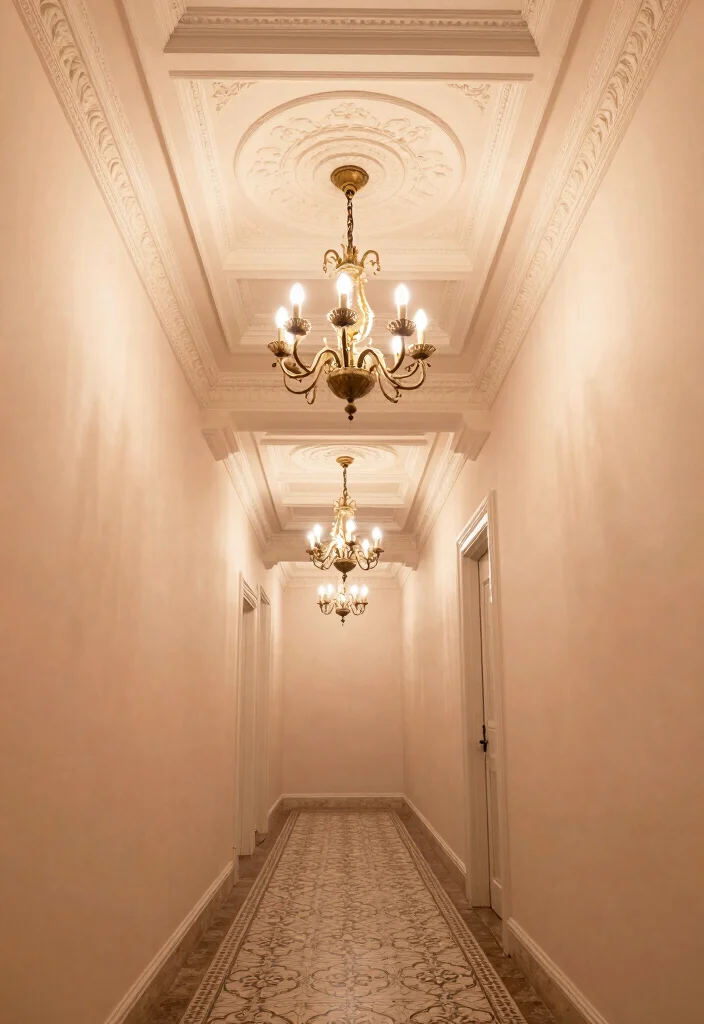
Don’t overlook the ceiling, as ornate details can transform your hallway into a striking focal point. Decorative plaster moldings or coffered ceilings echo vintage architecture, adding both depth and interest. These details draw the eye upward, creating an illusion of spaciousness and elegance.
Incorporating vintage chandeliers or pendant lights can elevate the overall aesthetic, casting beautiful shadows and light throughout the hallway. Ensure that the finishes complement other design elements for a cohesive look.
Suggestions:
– Consider a contrasting color for the ceiling to make the details pop.
– Add wall sconces along the hallway to complement the ceiling design.
– Look for vintage-style lights that resonate with the ornate designs.
This approach not only enhances the visual appeal but also enriches the overall ambiance with intricate textures.
Difficulty Rating & Requirements
Overall Difficulty Rating: Medium
Working with hallway molding can be a fun yet challenging project. If you have some experience with basic DIY or home improvement tasks, you’ll likely find this project manageable. However, beginners may need extra guidance and patience, especially when dealing with intricate designs or materials.
Time Estimate:
⏱ Estimated time: 4-8 hours
Breaking down the time, you might spend about 1-2 hours planning and gathering materials, 2-4 hours for installation, depending on the complexity, and an extra hour for finishing touches like painting or caulking.
Skill Requirements:
– Required skills: Basic carpentry, measuring, cutting, and painting skills are essential.
– Beginner-friendly: No, this project requires some familiarity with tools and construction techniques. While skills like measuring and painting can be learned, cutting and installing molding often require hands-on experience.
Tools & Materials Needed:
🧰 Essential items checklist:
– Miter saw (required)
– Level (required)
– Nail gun or hammer (required)
– Measuring tape (required)
– Wood glue (optional)
– Caulk and caulking gun (optional)
– Sandpaper (optional)
– Primer and paint (optional)
Each item is crucial for a successful installation, but the optional items can enhance the finish.
Step-by-Step Overview:
1. Planning & Measuring (1-2 hours): Start by measuring your hallway and choosing your molding style. Sketch out your design and determine the lengths needed for each piece.
2. Cutting & Preparing Materials (1-2 hours): Using your miter saw, cut the molding pieces at the appropriate angles. Sand any rough edges for a smooth finish.
3. Installation (2-3 hours): Attach the molding to the walls using your nail gun or hammer. Ensure everything is level as you work your way around the hallway.
4. Finishing Touches (1 hour): Fill any gaps with caulk, and if needed, paint or stain the molding to match your interior decor.
Professional vs DIY:
Hiring a professional for hallway molding can cost anywhere from $200 to $800, depending on the complexity of the design and the materials used. If you tackle this project yourself, you could spend around $100 to $300 on materials and tools, making it a cost-effective option if you have the time and willingness to learn.
Consider your skill level and comfort with tools before deciding. If you feel unsure or overwhelmed, consulting a professional might save you time and frustration.
7. Shadow Box Molding
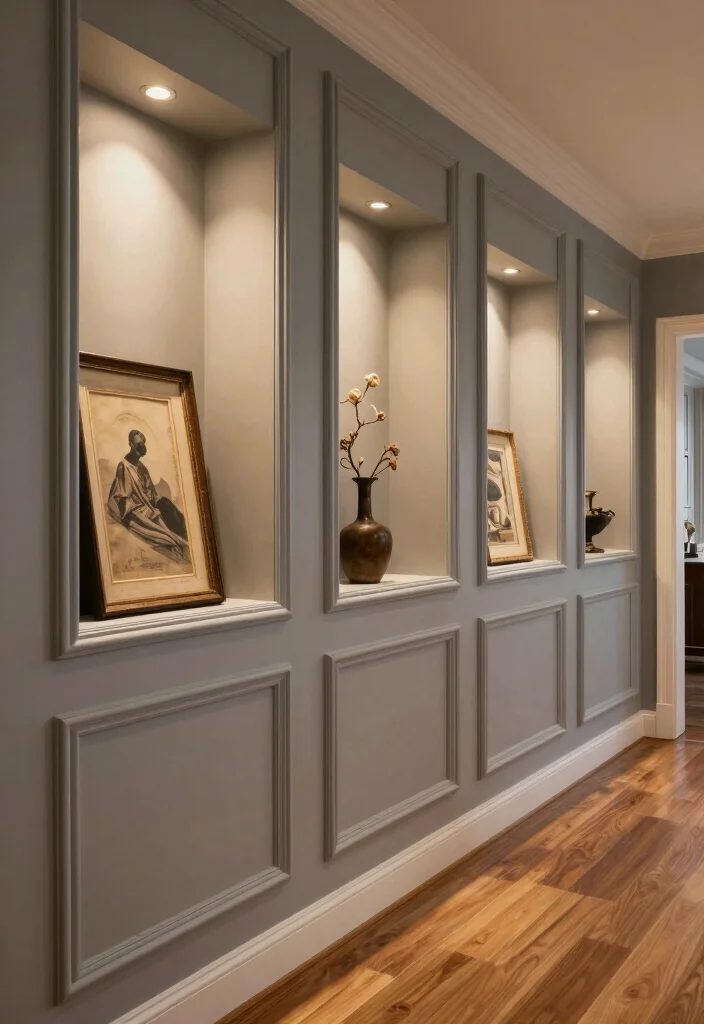
Shadow box molding creates a captivating visual effect that enhances your hallway’s depth and interest. By placing panels of molding at varying depths, this style generates a shadow effect that makes your space feel layered and dynamic. It’s an excellent way to incorporate vintage motifs without overwhelming the design.
You may opt for contrasting colors for each box or stick with a monochromatic scheme for a sophisticated touch. This molding invites creativity and allows you to mix and match designs and textures.
Consider these ideas:
– Use neutral colors for timeless appeal, or go bold with modern color trends.
– Incorporate vintage art or frames within the boxes for added depth.
– Pair with soft lighting to highlight the unique shadowing effects.
This innovative approach not only enhances visual interest but also creates a warm atmosphere through layered textures.
8. Wainscoting
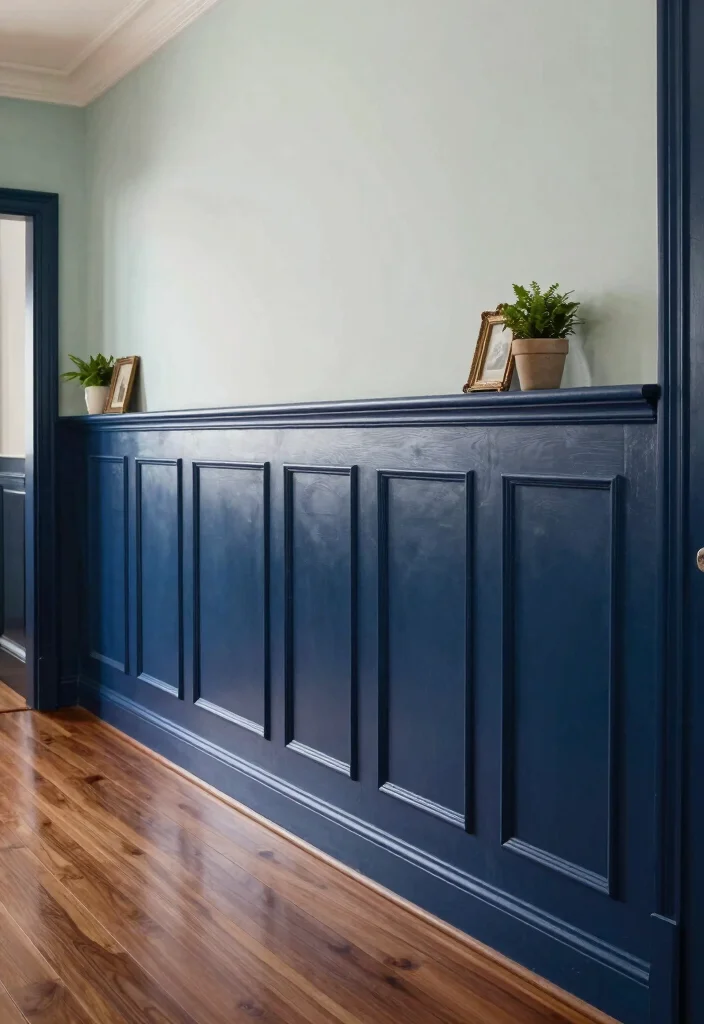
Wainscoting is a classic design choice that brings sophistication to your hallway. This form of wall paneling not only protects walls but also adds texture and style, making it especially effective in vintage-inspired homes.
Opt for raised panel wainscoting for a more ornate appearance or stick with beadboard for a laid-back vibe. Darker hues can anchor the space, while lighter colors above create a pleasing contrast.
Ideas:
– Use wallpaper above the wainscoting for a chic look.
– Consider adding a ledge on top of the wainscoting for extra decor space.
– Coordinate your wainscoting color with your flooring for a cohesive look.
This classic touch not only enhances your hallway’s charm but also enriches the overall aesthetic with warm textures.
Wainscoting
Editor’s Choice
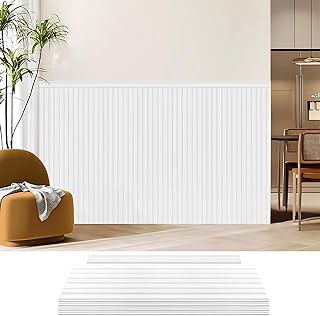


9. Victorian Lace Molding
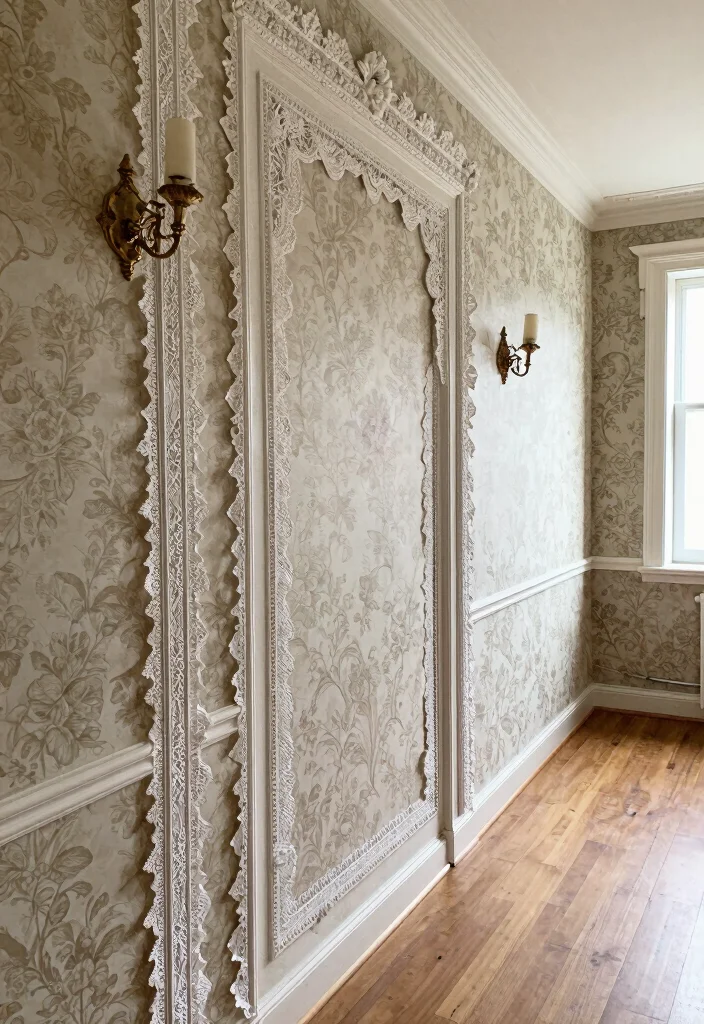
For a truly unique touch, consider Victorian lace molding, which features intricate designs reminiscent of delicate lace patterns. This style is perfect for those who appreciate vintage charm, as it can be used in various applications such as crown molding, chair rails, or baseboards.
These feminine touches soften the lines of a hallway, creating a welcoming atmosphere. Choose finishes that contrast boldly for a dramatic effect or opt for soft shades for a more subtle approach.
Suggestions:
– Paint the lace molding in a glossy white for a clean, fresh look.
– Pair with vintage wallpaper featuring floral or damask patterns for added richness.
– Use vintage light fixtures to complement the delicate molding.
This exquisite style enhances visual appeal and introduces a layer of elegance through intricate details.
10. Simple Beadboard
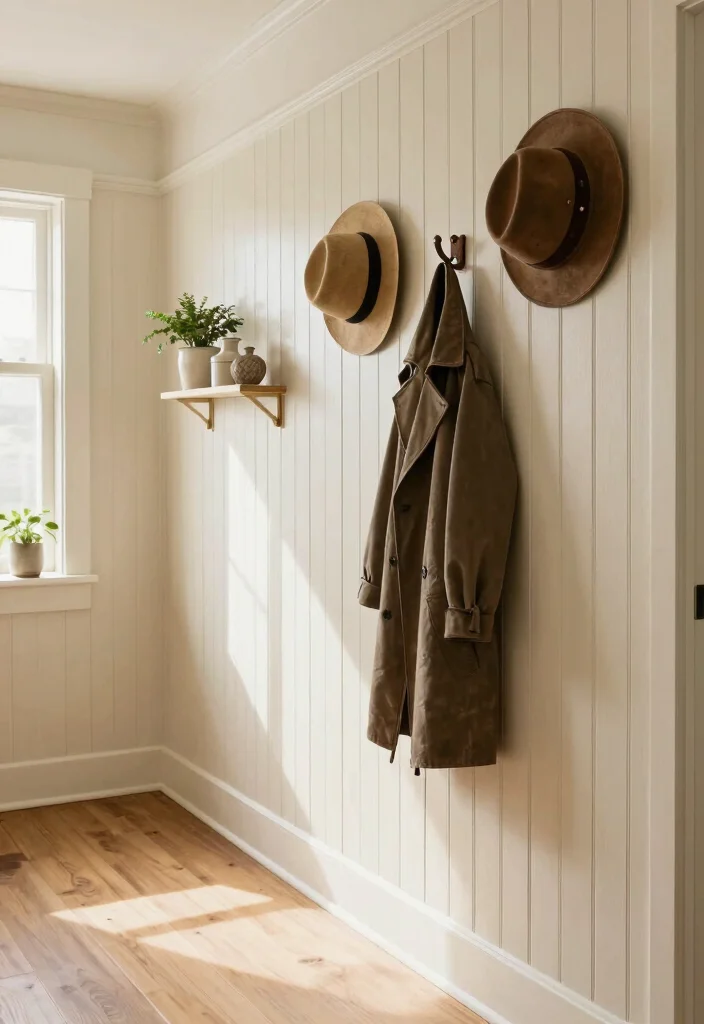
Beadboard is a charming and practical option for hallway molding, adding texture with its classic vertical grooves. This style is especially great for achieving a casual, vintage look, making it versatile for full wall treatments or as wainscoting.
Painting beadboard in soft tones like cream or light gray can brighten a narrow hallway, while darker shades create striking contrast. You may even choose to install it horizontally for a contemporary twist.
Consider these tips:
– Pair beadboard with vintage accessories like hooks or small shelves for added functionality.
– Use it in conjunction with other moldings for a layered look.
– Keep it glossy to reflect light and brighten the space.
This approach not only enhances visual appeal but also introduces warmth and charm through textured details.
Fun fact: beadboard hallway walls can visually widen a narrow corridor by up to 20% when painted in soft cream or light gray. The vertical grooves add texture that reads vintage yet feels fresh. Perfect for simple beadboard molding.
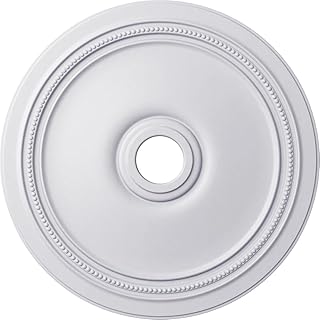
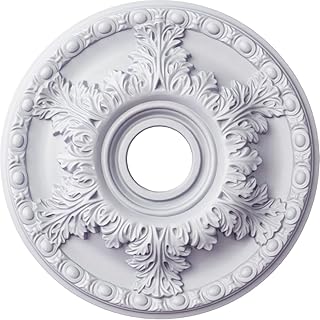
11. Ceiling Medallions
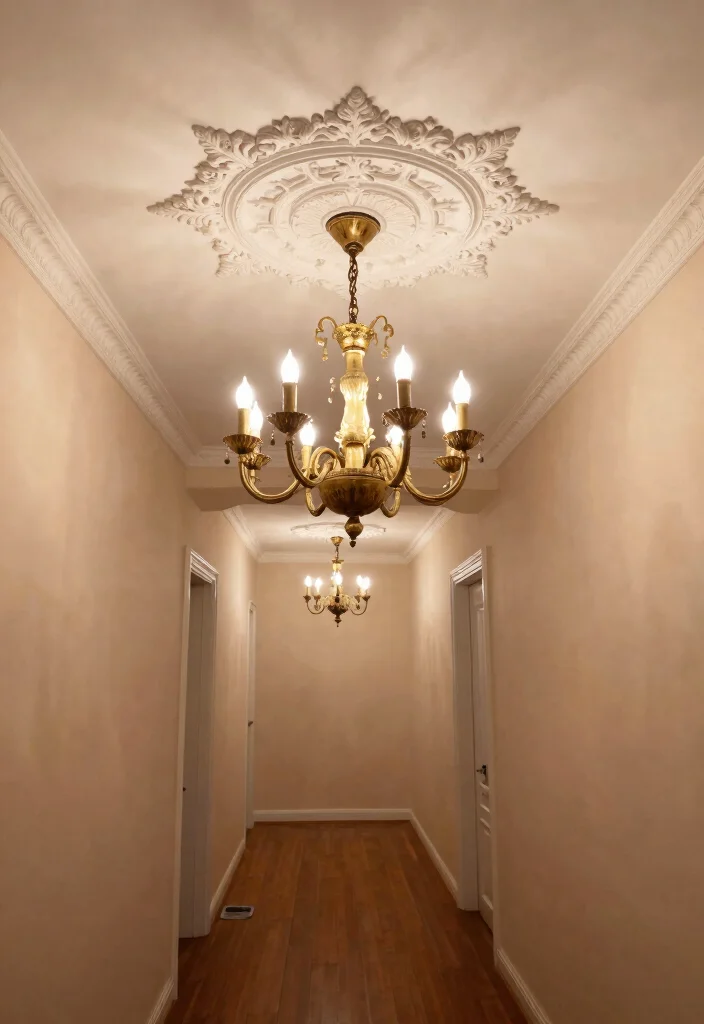
Ceiling medallions serve as stunning focal points that draw attention to your hallway’s light fixtures. These decorative elements come in an array of sizes and styles, making it easy to find the perfect match for your space. They add elegance and can enhance the vintage feel of your decor.
Select a medallion that complements your chandelier or pendant light, and consider painting it in a contrasting color to help it stand out. Vintage-inspired designs often feature floral or geometric patterns, adding sophistication to your space.
Suggestions:
– Use a larger medallion for dramatic fixtures to create balance.
– Incorporate vintage-style lighting that resonates with the medallion’s design.
– Paint the medallion a high-gloss finish for added visual interest.
This thoughtful addition not only enhances the aesthetic but also enriches the overall atmosphere with its detailed craftsmanship.
Fun fact: A 24-inch ceiling medallion instantly centers your hallway lighting and can feel like a built-in chandelier upgrade. Choose a floral or geometric design, then paint it in a contrasting color to boost vintage vibes.
Ceiling Medallions
Editor’s Choice



12. Layered Molding
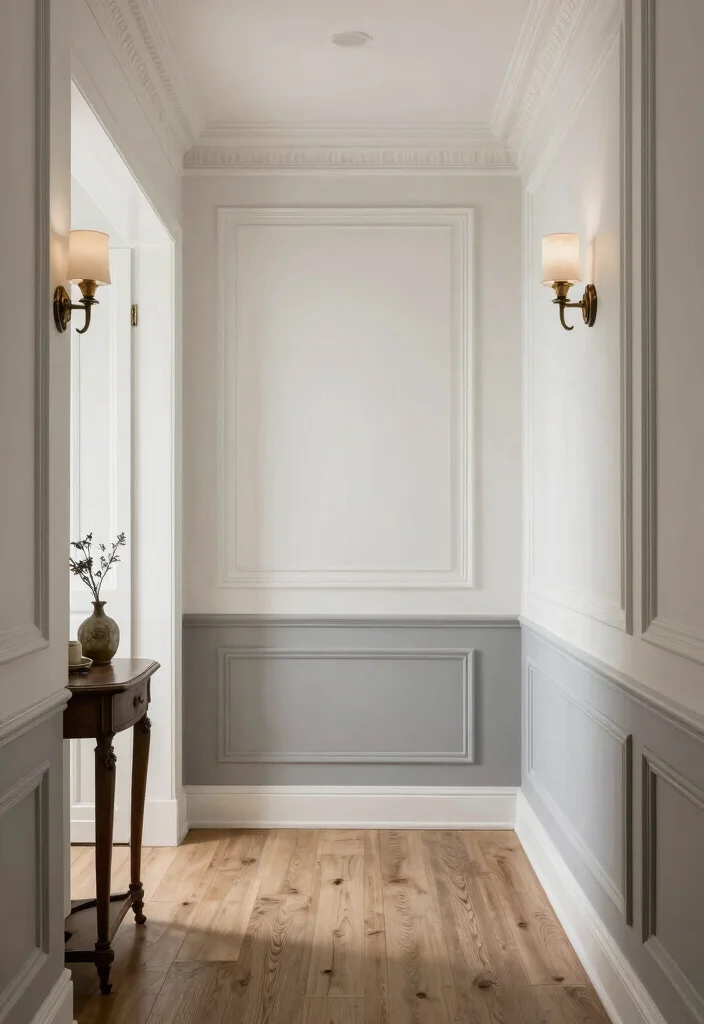
Layered molding presents an innovative way to design your hallway, combining different molding styles for a visually striking effect. This technique adds dimension and can make your space feel more expansive and exciting. You can mix crown molding, chair rails, and baseboards in various colors or finishes to create a unique look.
This style is perfect for showcasing creativity and making a bold statement. Choose vintage-inspired designs that harmonize with your overall decor.
Consider these ideas:
– Use similar colors for all layers to maintain cohesion while varying textures for interest.
– Integrate vintage decor elements like frames or sconces to enhance the layered effect.
– Don’t be afraid to play with heights and widths to create dynamic visual lines.
This creative approach not only enhances your hallway’s character but also elevates the overall mood through rich textures and dimensions.
13. Reclaimed Wood Molding
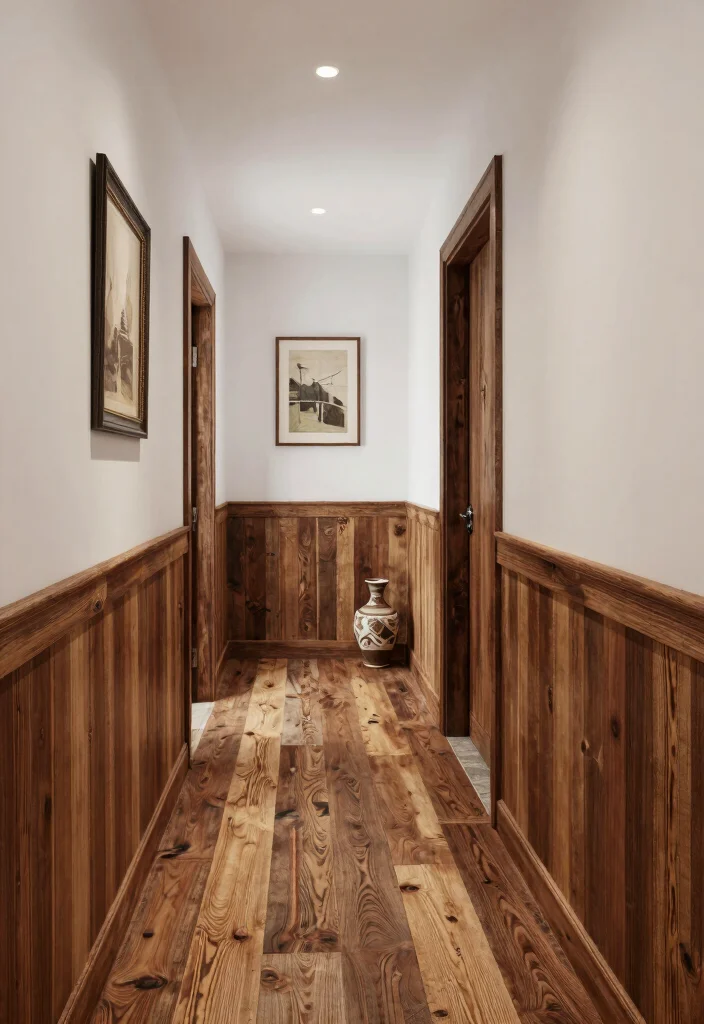
For a truly unique vibe, consider using reclaimed wood for your hallway molding. This choice adds character and a sense of history to your space, as each piece of reclaimed wood carries its own story. The combination of reclaimed wood with modern elements creates a beautiful contrast between old and new.
Reclaimed wood can be utilized for crown molding, baseboards, or wainscoting, making it a versatile choice. The textures and tones of the wood lend warmth and rustic charm to your hallway.
Suggestions:
– Pair reclaimed wood with clean lines and minimalistic decor for a modern vintage look.
– Consider adding metal accents, like hooks or lighting, to create an edgy balance.
– Use a variety of wood types for a layered, textural effect.
This choice not only enhances visual interest but also creates an inviting atmosphere through its rich textures.
14. Farmhouse Style Trim
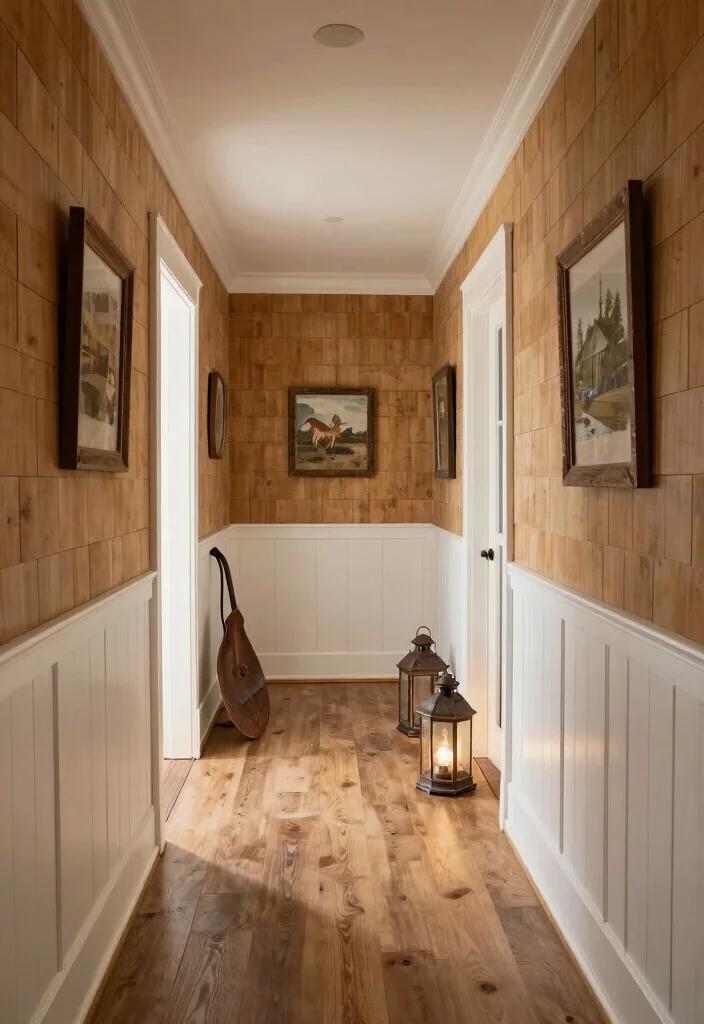
Finally, farmhouse style trim infuses a cozy, rustic charm into any hallway. Characterized by wider baseboards and crown moldings with relaxed designs, this style creates a welcoming ambiance. Farmhouse trim adds a touch of quaintness, perfect for those dreaming of country living within their homes.
Opt for natural wood finishes or soft whites to achieve the authentic farmhouse look. Complementing this style with vintage signs or agricultural-inspired decor can enhance the theme beautifully.
Consider these ideas:
– Incorporate open shelving with farmhouse trim for a functional yet stylish look.
– Consider using shiplap or board and batten alongside traditional trim for a layered effect.
– Vintage lighting fixtures can enhance the overall warmth and charm of the hallway.
This charming approach not only enhances the aesthetic but also creates a warm, inviting atmosphere through rich textures and materials.
Farmhouse trim is all about cozy charm. Use wider baseboards and natural wood finishes as part of your hallway molding ideas, and you’ll craft a welcoming, country-inspired passage through your home.
Conclusion
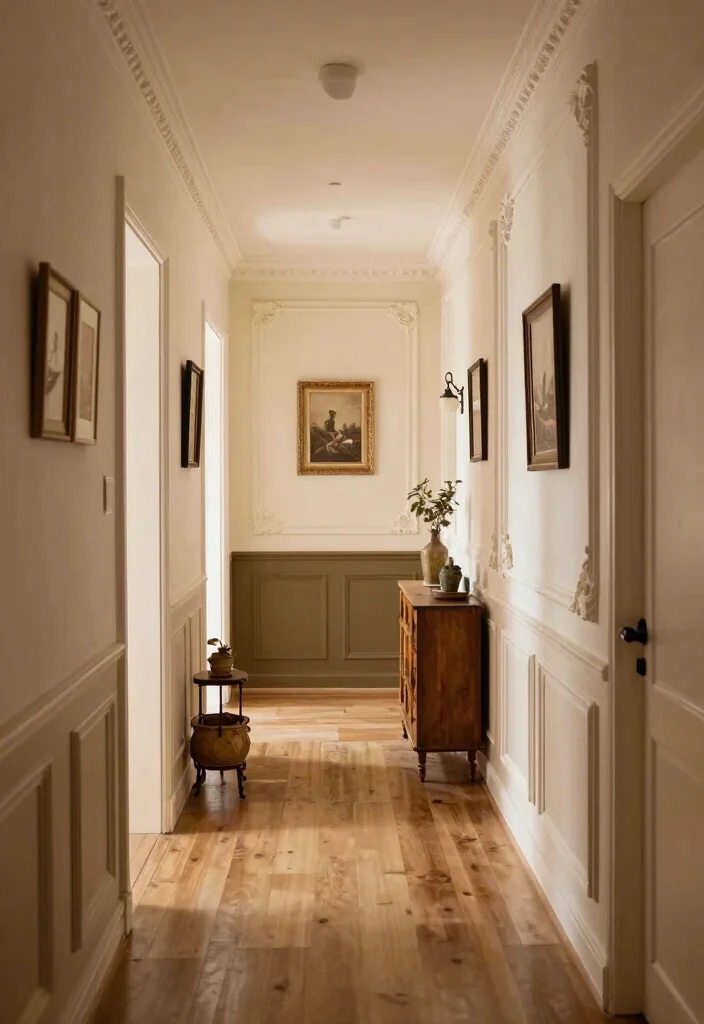
Integrating molding into your hallway decor can significantly enhance the character and depth of your space, making it feel warm and inviting. Whether you lean towards classic crown molding or opt for something bolder like reclaimed wood, the choices are endless.
Remember, it’s all about reflecting your personal style while creating an atmosphere that speaks to you. As you explore these molding ideas, consider how each design can transform your space into a true reflection of your aesthetic. With the right architectural details, your hallway can become a stunning introduction to your home.
Note: We aim to provide accurate product links, but some may occasionally expire or become unavailable. If this happens, please search directly on Amazon for the product or a suitable alternative.
This post contains Amazon affiliate links, meaning we may earn a small commission if you purchase through our links, at no extra cost to you.
Frequently Asked Questions
What are the most effective hallway molding ideas to add character and depth to a vintage-inspired space?
For a vintage-inspired hallway, start with classic hallway molding ideas like a shallow chair rail, a decorative picture rail, or rich crown profiles. These elements instantly add character and depth to the space.
Pair them with a two-tone hallway decor scheme: paint the upper wall a lighter shade and the molding in a coordinating darker hue to make the detail pop. If the hall is narrow, choose medium-scale profiles to avoid crowding, and run a continuous baseboard to anchor the look. Add a mid-wall trim design that echoes architectural details from other rooms. Finish with warm lighting that grazes the molding to create soft shadows and highlight the texture.
Pro tip: mix crown molding styles by pairing a traditional crown with a slim decorative edge for a vintage-modern twist.
How can I choose crown molding styles that fit a vintage-inspired hallway decor?
Choosing crown molding styles that fit a vintage-inspired hallway decor is about scale, profile, and period cues. Look for profiles with curves, ogee edges, cavetto details, and beading that echo classic architecture. For low ceilings, go with slimmer crowns; for tall ceilings, bolder profiles work well.
Consider wall trim designs that align with doors and picture rails in other rooms to unify interior design accents across the home. Test samples in different lighting and pair with a complementary paint color to highlight the profile. If you’re unsure, start with one statement crown and echo the motif on doorway trim for cohesive architectural details.
What wall trim designs work well in narrow hallways without making the space feel crowded?
Yes—there are smart wall trim designs for narrow hallways. Opt for slim wall trim designs like a shallow chair rail, a single bead, or a narrow picture rail to add interest without crowding the wall. Keep the trim height around 36-42 inches to visually break the walls while preserving openness. Choose a light paint for the trim or a crisp white against pale wall tones to maximize brightness and airiness. Match baseboard scale to the trim so everything feels cohesive, not cluttered.
Pro tip: a subtle shadow line from wall lighting can emphasize the molding and enhance hallway decor.
Which interior design accents should I pair with hallway molding ideas to enhance architectural details?
Pair hallway molding ideas with vintage-inspired lighting (sconces or lanterns), framed gallery art, and decorative door casings to amplify architectural details. Use hallway decor elements like a small console or mirror with a slim frame above a chair rail to anchor the space. Select consistent metal finishes on hardware—antique brass, patinaed nickel, or oil-rubbed bronze—to create a cohesive look. Keep color palettes unified: white or soft neutrals for trim with complementary wall colors that let the molding shine as architectural details.
Is it possible to install hallway molding on a budget without sacrificing period-accurate details? Any practical tips?
Absolutely. Start with affordable stock profiles like pre-primed MDF or polyurethane that mimic classic crown styles. Do the install yourself to save on labor: measure twice, cut once, use wood glue and finishing nails, then caulk seams and touch up with paint. Paint the molding the same color as the walls for a sleek, seamless look, or use a crisp contrasting white to highlight the details in hallway decor. Reuse salvaged period pieces when possible to boost architectural details without breaking the bank. If corners are tricky, hire a pro for the tricky bits; a simple stock profile can deliver authentic crown molding styles on a budget.