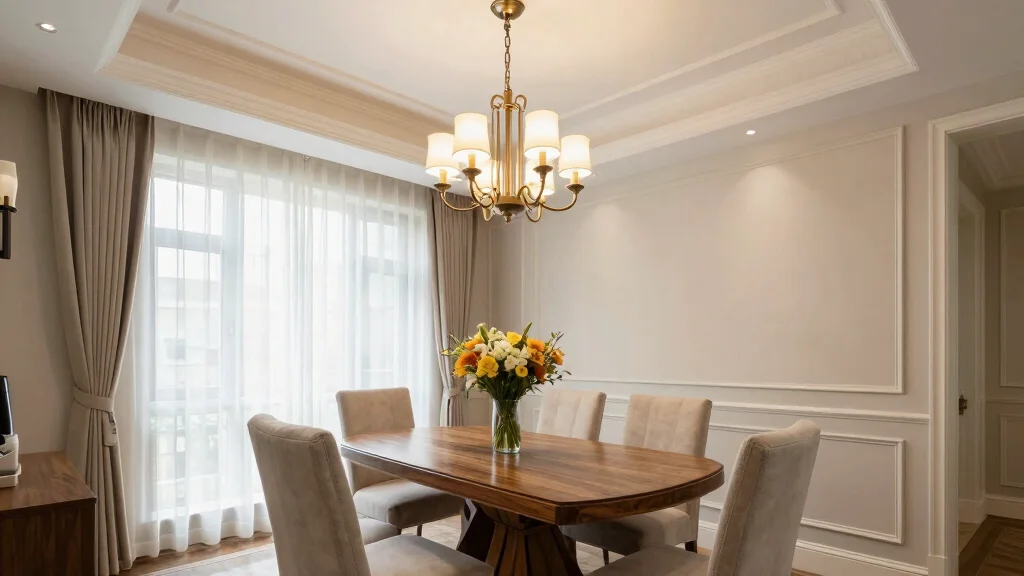
Elevating your dining space isn’t just about the furniture or table settings; it’s about creating an atmosphere that feels right for every meal, gathering, or celebration. I’ve been inspired to put together this post because I believe that the right dining room molding ideas can transform an average space into something truly special. Whether you’re planning a cozy dinner for two or a lively family reunion, the details matter. Molding adds character, dimension, and a touch of elegance to your dining area, making it a place where memories are made.
If you’re someone who loves home decor and enjoys DIY projects, this one’s for you! You may care about enhancing your small space or finding ways to incorporate architectural details that reflect your style. This guide will walk you through 14 creative molding ideas that are charming, practical, and perfectly suited for any dining room. From classic crown molding to modern geometric designs, there’s something for everyone.
Get ready to explore how you can easily implement these ideas into your space. You’ll find inspiration for every style, whether you lean towards rustic charm or modern minimalism. Let’s dive into these transformative ideas and see how you can elevate your dining room into a space you love.
Key Takeaways
– Explore a range of dining room molding ideas that can significantly enhance your space’s aesthetic and functionality.
– Discover ceiling molding styles that add height and elegance, creating an inviting atmosphere for gatherings.
– Learn about wainscoting and other wall trim ideas to add depth and character to your walls.
– Get tips on modern dining decor that incorporates unique features like geometric designs and rustic accents.
– Understand how architectural details can reflect your personal style and change the entire vibe of your dining area.
1. Classic Crown Molding
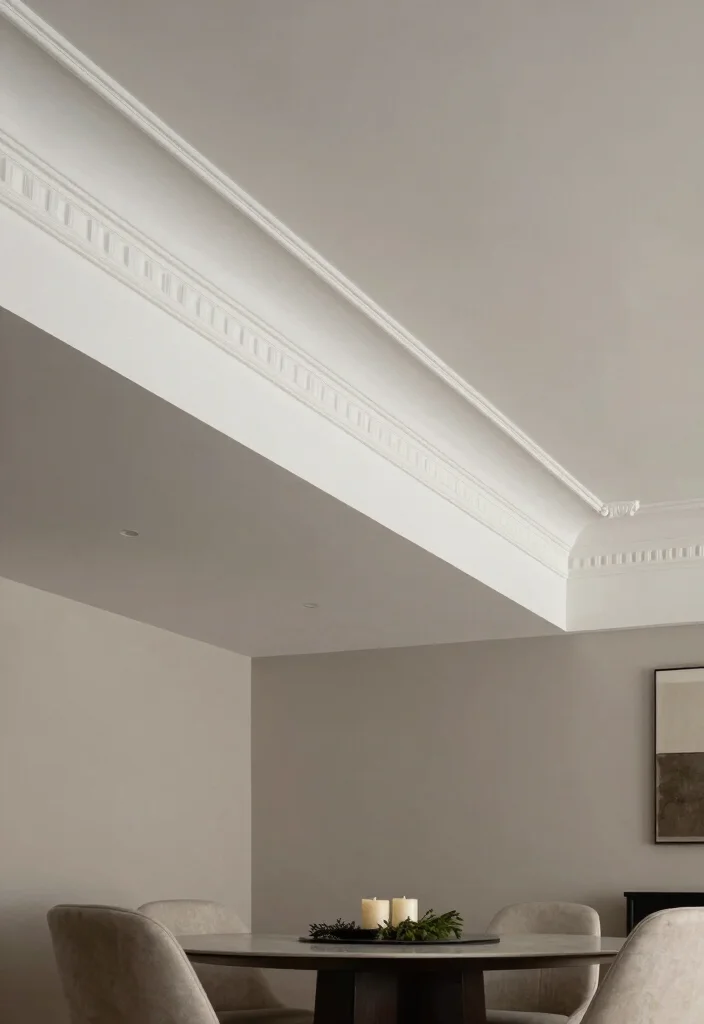
Crown molding is an exquisite way to add sophistication to your dining room, especially in compact areas. This architectural feature draws the eye upward, creating an illusion of height and openness. Opt for a classic white finish for a timeless appeal or choose a bold color that complements your decor. Crown molding not only enhances the transition between walls and ceilings but also gives your space a polished, complete look.
To maximize its impact, consider using wider crown molding in smaller rooms for an airy effect. Pair it with a ceiling painted in a similar hue to create a seamless blend.
Consider these tips for your crown molding project:
– Pair wider crown molding with petite, elegant wall sconces
– Install crown molding in dining areas with tall ceilings for added drama
– Use contrasting paint on the ceiling to highlight the molding
This thoughtful addition elevates your dining experience, transforming it into a welcoming space for gatherings and celebrations.
Fun fact: In small dining spaces, wider crown molding visually adds height, making the room feel up to 2 inches taller without changing the ceiling. Pair it with a crisp white finish for timeless elegance in your dining room molding ideas.
Classic Crown Molding
Editor’s Choice


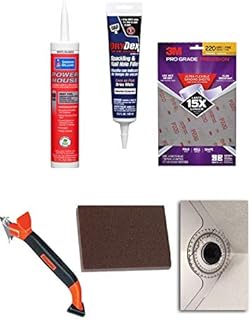


2. Wainscoting Wonders
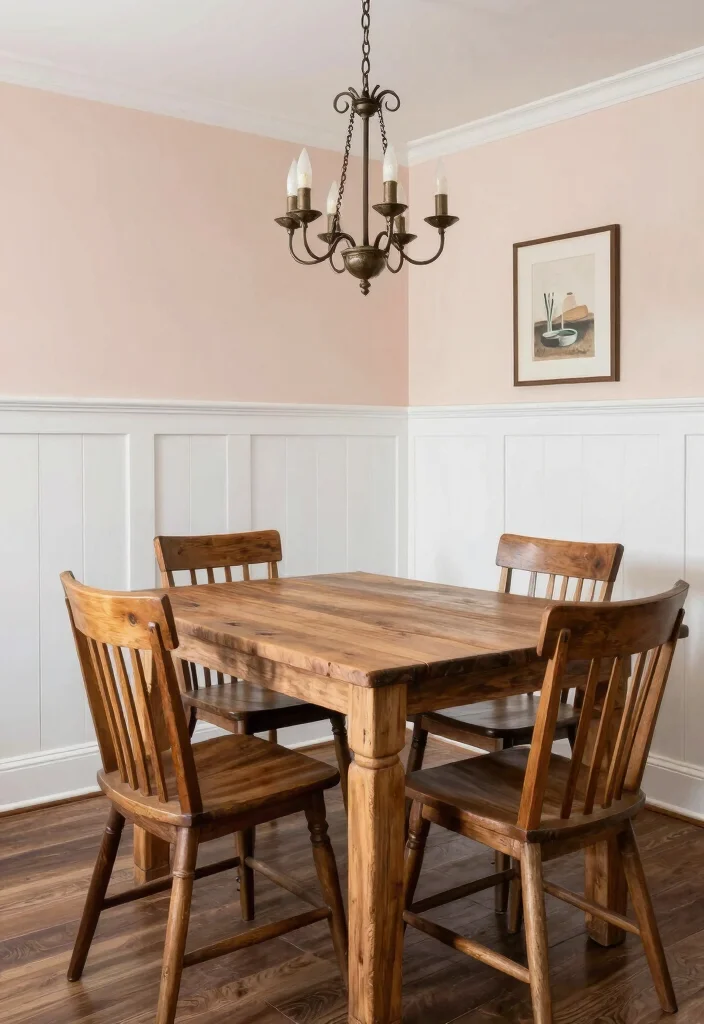
Wainscoting is a beautiful way to introduce texture and character to your dining room walls. This decorative paneling not only adds visual interest but also enhances the sophistication of smaller areas. You can choose to cover the entire wall or just install it at chair rail height for a more spacious feel. Opt for a contrasting color that pops against your walls for drama or a subtle hue for a harmonious touch.
For practical implementation, pair wainscoting with a bold wallpaper on the upper half for a contemporary flair. Consider using MDF as a cost-effective alternative to traditional wood.
Use these ideas to bring wainscoting into your dining space:
– Install wainscoting around the room’s perimeter for a cohesive look
– Paint the wainscoting a bold color to create visual contrast
– Incorporate decorative molding on top of the wainscoting for elegance
Wainscoting not only looks stunning but also provides a durable surface that can withstand everyday use, making it ideal for dining areas.
3. Ceiling Beams for Depth
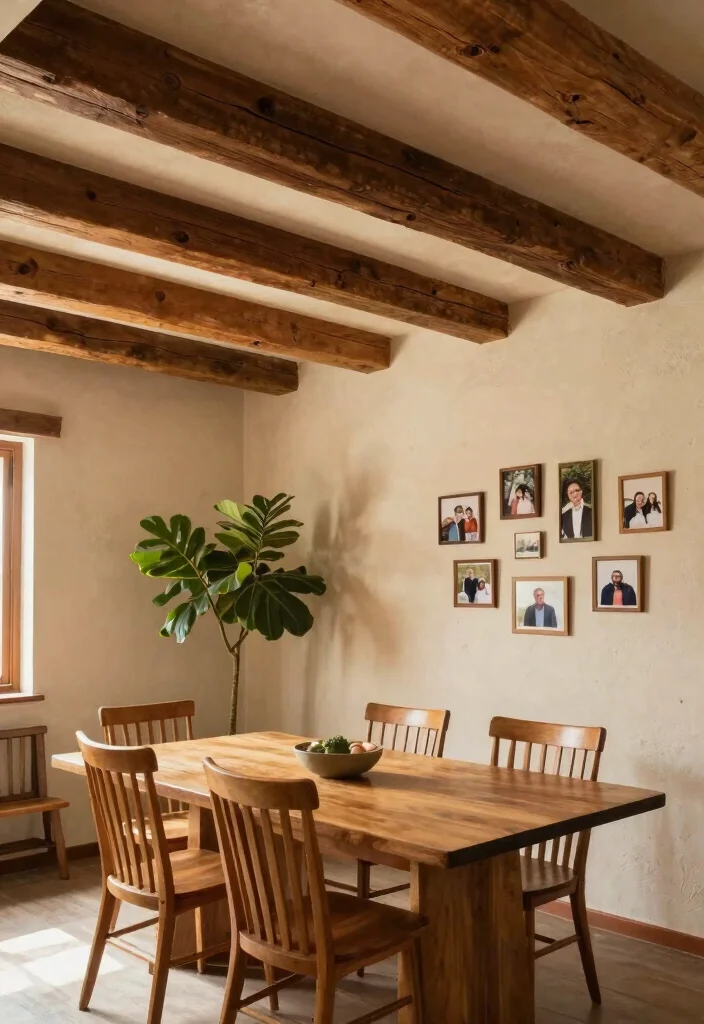
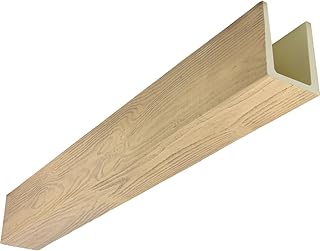
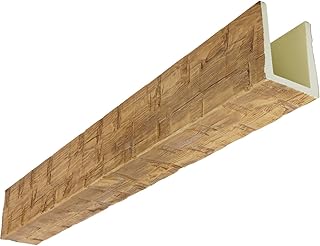
Adding ceiling beams can significantly transform your dining room, introducing architectural charm while fostering a cozy atmosphere. In a smaller space, exposed beams bring texture without overwhelming the design. You can leave them natural for an organic vibe or paint them to match your ceiling for a cohesive look.
For a simpler approach, consider installing faux beams that are less labor-intensive. Pair the beams with stylish pendant lights to amplify the rustic feel.
Enhance your dining area with these beam ideas:
– Install faux beams for easy, impactful design changes
– Use beams to frame a beautiful chandelier
– Incorporate lighting that highlights the beams’ texture
With ceiling beams, your dining room becomes an inviting space, perfect for long, leisurely meals filled with conversation.
Fun fact: In small dining spaces, ceiling beams can add up to 25% more perceived depth. Pair them with pendant lights for instant warmth and a cozy, elevated dining room vibe that fits your dining room molding ideas.
Ceiling Beams for Depth
Editor’s Choice



4. Elegant Chair Rails
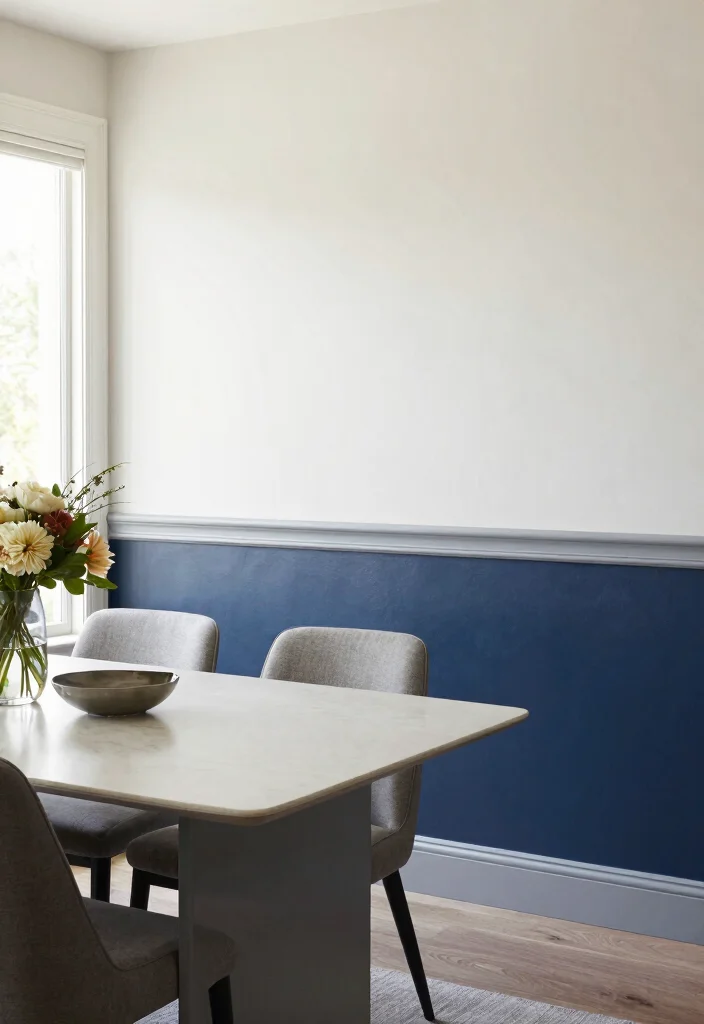
Chair rails are a chic solution for adding visual separation while protecting your walls from scuffs. This decorative molding works wonders in smaller dining rooms, making walls appear taller and more expansive. Choose a two-tone paint scheme where the chair rail divides a darker hue below and a lighter shade above, creating an airy feel.
For a bold statement, consider painting the chair rail a contrasting color. Wood and MDF are excellent choices that ensure durability without overspending.
Incorporate chair rails with these tips:
– Paint the chair rail a vibrant color for a pop
– Use chair rails to guide your color scheme throughout the room
– Select designs that mirror your furniture style for harmony
By adding chair rails, you elevate both the function and elegance of your dining space, making it feel thoughtfully designed.
Elegant Chair Rails
Editor’s Choice



5. Decorative Wall Trim
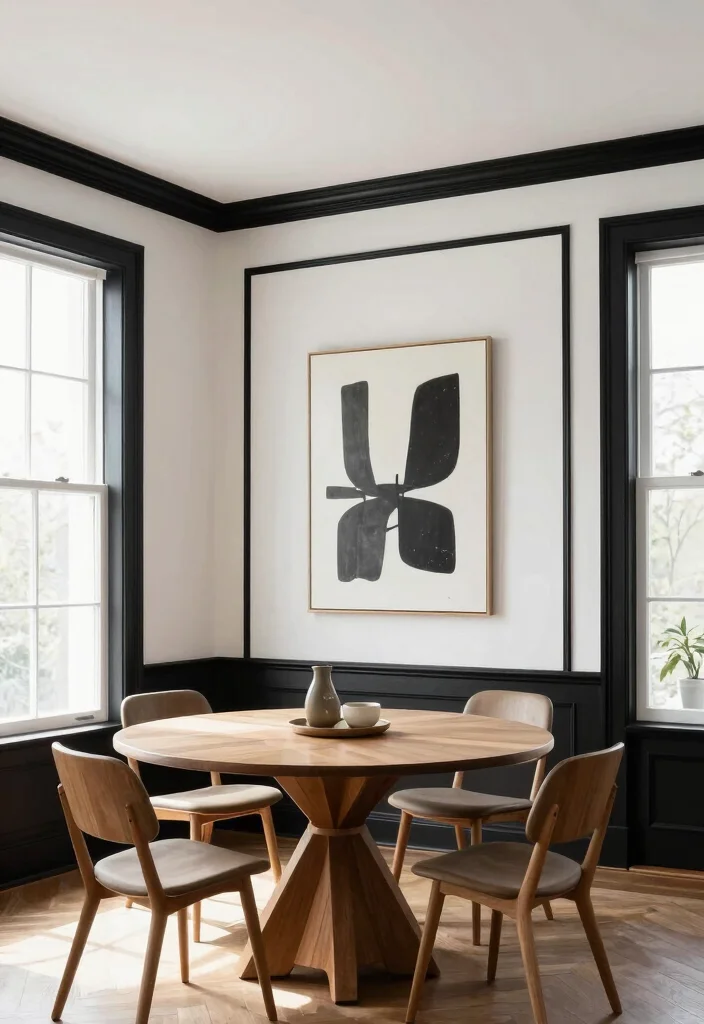
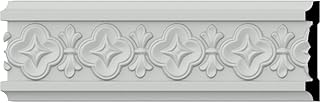
Incorporating decorative wall trim can elevate your dining room’s aesthetic in an instant. This can range from simple borders to intricate moldings that evoke a vintage charm. With an array of styles to choose from, you can find the perfect match for your personal taste, whether it’s traditional, modern, or eclectic.
To enhance your design, use trim to highlight significant artwork or mirrors, creating a captivating focal point. Opt for a high-contrast color that stands out against your walls for added drama.
Consider these design ideas for wall trim:
– Use trim to frame windows for added elegance
– Paint trim a bold color to contrast with your walls
– Choose intricate designs to complement your decor style
Unique wall trim not only brings visual intrigue but also ties your decor together, creating a harmonious atmosphere.
Difficulty Rating & Requirements
Overall Difficulty Rating: Medium
This project is rated as medium difficulty. It’s suitable for those with some DIY experience but can also be tackled by motivated beginners willing to learn. With the right guidance and tools, you can achieve stunning results that elevate your dining room’s design.
Time Estimate:
⏱ Estimated time: 3-5 days
– Planning and design: 1 day
– Material gathering: 1 day
– Installation: 2-3 days depending on the complexity of the molding chosen
Skill Requirements:
– Required skills: Basic carpentry skills, use of power tools, measuring and cutting techniques
– Beginner-friendly: Yes, if you are willing to learn and follow instructions
– Skills that can be learned include measuring and cutting. However, using power tools may require some prior experience or supervision.
Tools & Materials Needed:
🧰 Essential items checklist:
– Miter saw (required)
– Measuring tape (required)
– Level (required)
– Nail gun or hammer (required)
– Wood glue (optional)
– Primer and paint or stain (optional)
– Safety goggles (required)
– Drop cloths (optional)
Step-by-Step Overview:
1. Planning and Design (1 day): Measure your dining room dimensions and decide on the types of molding and styles you want to implement.
2. Material Gathering (1 day): Purchase your chosen molding materials and gather the necessary tools.
3. Preparation (1 day): Prepare the walls and ceiling by cleaning the surfaces and applying primer if necessary. Layout where the molding will go.
4. Installation (1-2 days): Cut and install the molding to your walls and ceiling. Be sure to take your time with each cut for a perfect fit. Finish by filling any gaps.
5. Finishing Touches (1 day): Once the molding is secure, paint or stain it to match your dining room decor.
Professional vs DIY:
Hiring a professional for molding installation can cost between $300 to $1,000 depending on the complexity and size of the project. If you choose to go the DIY route, you might spend around $100 to $300 on materials and tools, making it a budget-friendly option. If you are confident in your skills and enjoy hands-on projects, tackling this yourself can be a rewarding experience. If you feel unsure, especially with the use of tools, consider hiring help for a smoother installation.
6. Modern Geometric Ceilings
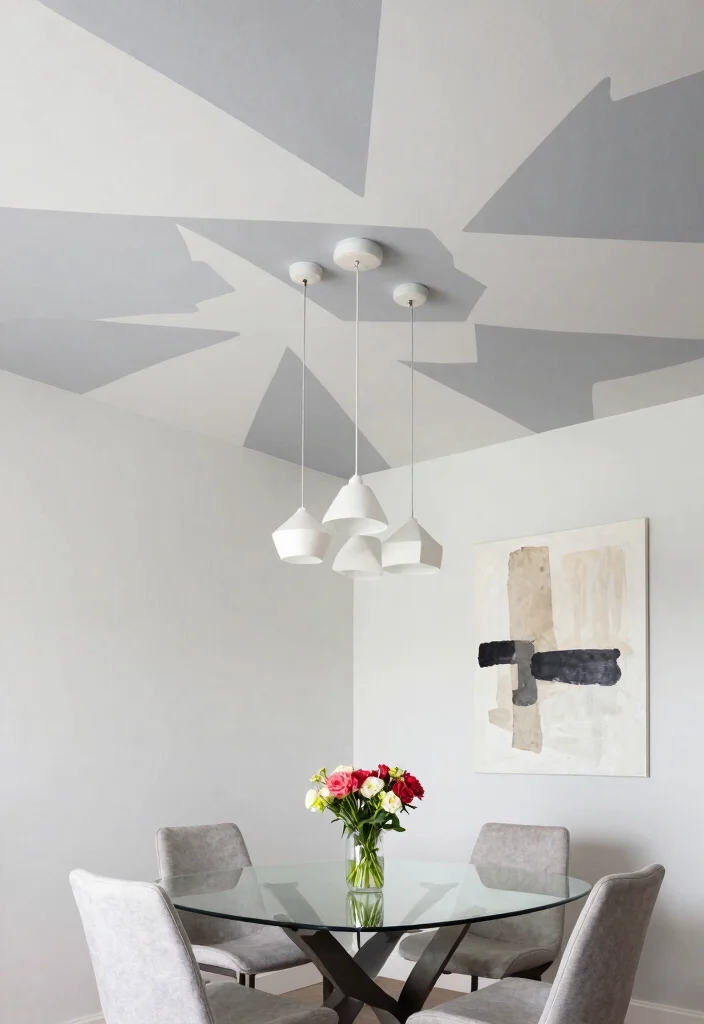
Elevate your dining room with modern geometric ceilings that introduce a playful element to your design. This trend can add depth and dimension without overwhelming the space. You can create geometric patterns with paint or opt for pre-made ceiling panels for texture and interest.
To execute clean designs, use painter’s tape for sharp lines when painting patterns. Recessed lighting can also enhance the geometric shapes, adding a modern touch.
Incorporate geometric ceilings with these tips:
– Paint bold patterns to create a striking visual impact
– Use panels for easy installation and texture
– Pair with lighting that accentuates the ceiling design
By integrating geometric ceilings, you transform your dining area into a stylish statement, setting the stage for memorable gatherings.
7. Rustic Wood Accents
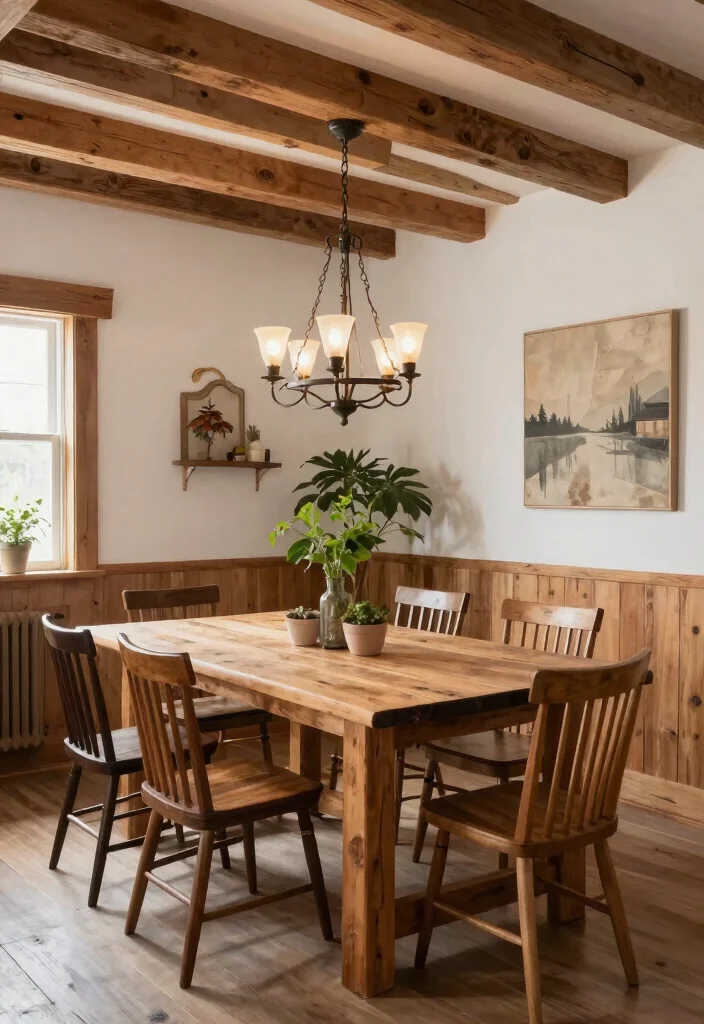
For those drawn to a rustic aesthetic, incorporating wood accents into your dining room molding creates a warm and inviting atmosphere. Whether you use wood beams, trim, or paneling, these elements add texture and charm. You can select reclaimed wood for authenticity or new wood with a weathered finish to achieve this cozy look.
Mix wood elements with industrial touches for a modern farmhouse vibe. Choosing a wood stain that matches your dining furniture creates visual cohesion.
Explore these rustic wood accent ideas:
– Use reclaimed wood for authentic character
– Stain wood to harmonize with your existing decor
– Incorporate wood paneling for added texture on walls
Rustic wood accents can turn your dining area into a heartfelt space, perfect for family gatherings and shared meals.
8. Intricate Ceiling Medallions
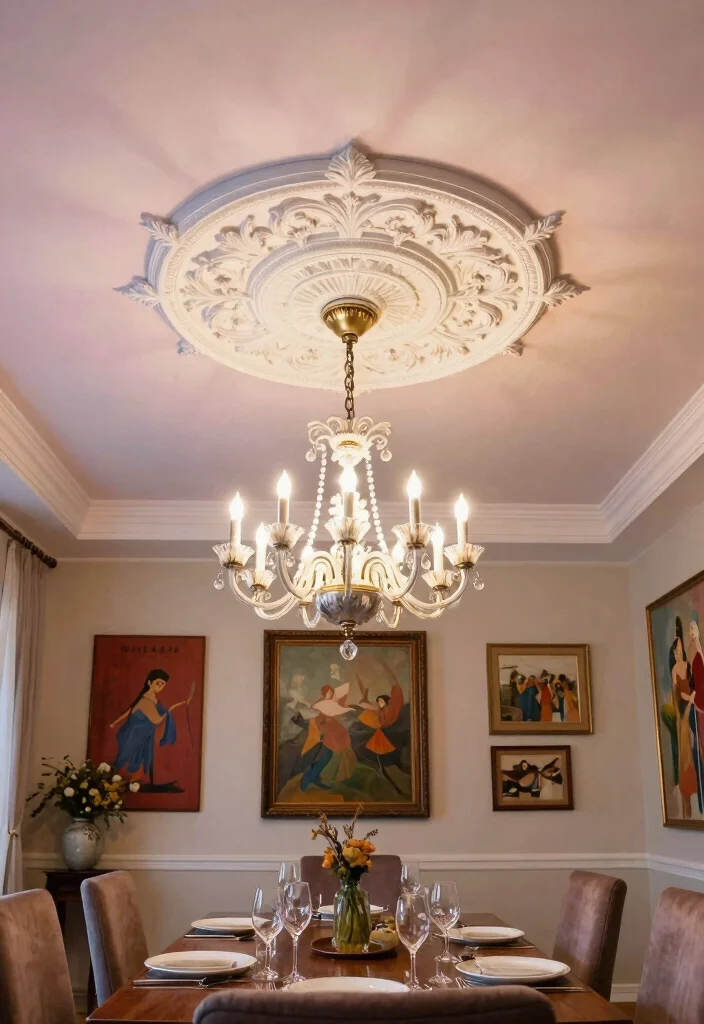
Ceiling medallions offer a stunning way to create a focal point above your dining table. These ornamental additions can be painted in a contrasting hue or left white for a timeless finish. Available in various designs, from floral to classical, you can select one that aligns with your style.
For easy installation, use adhesive on flat surfaces. Pairing a medallion with a dramatic chandelier amplifies its impact, making it a standout feature in your dining room.
Integrate ceiling medallions with these suggestions:
– Choose a medallion that complements your chandelier
– Paint a medallion for added visual interest
– Use large medallions for a grander effect
Intricate ceiling medallions can enhance even the simplest dining setups, creating an elegant atmosphere for every meal.
9. Contemporary Baseboards
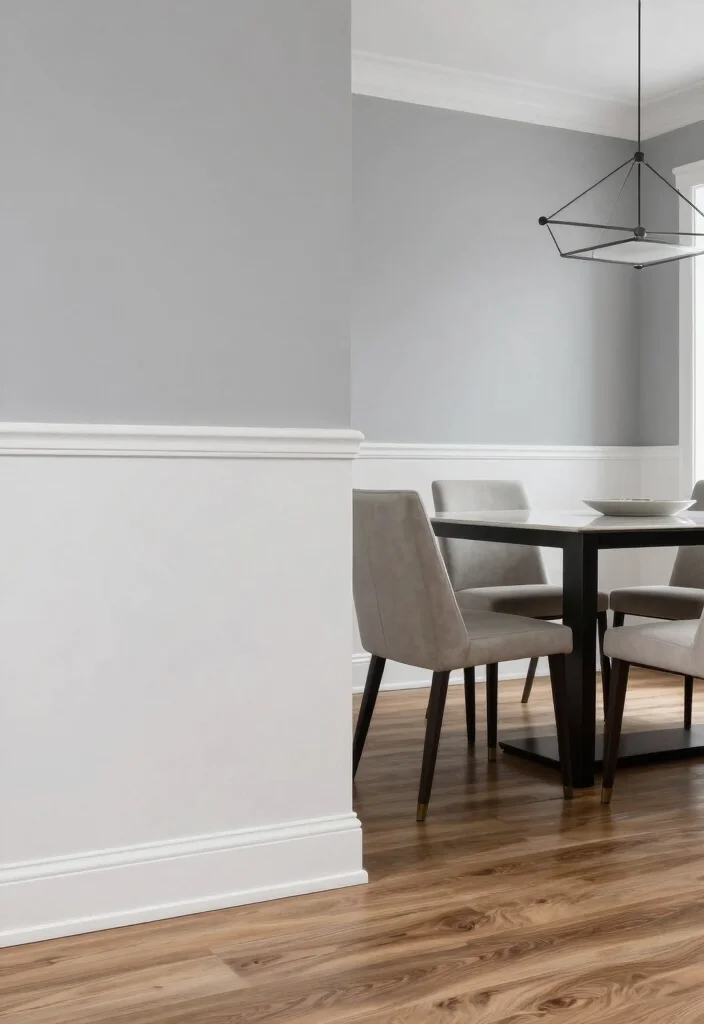
Don’t underestimate the power of contemporary baseboards in your dining area! Upgrading to taller baseboards can significantly enhance the overall feel, especially in smaller rooms. Select clean, simple lines that keep the look modern while painting them a vibrant color can add a trendy contrast to your walls.
To ensure a cohesive appearance, choose baseboards that reflect your furniture’s style. A semi-gloss finish makes for easy cleaning while maintaining a polished look.
Improve your dining space with these baseboard tips:
– Opt for taller baseboards to create a sense of height
– Paint baseboards to match or contrast with wall colors
– Install baseboards that complement your home’s overall design
Contemporary baseboards enhance your dining room’s aesthetic, providing a stylish transition from the floor to the walls.
10. Fun Wall Art Frames
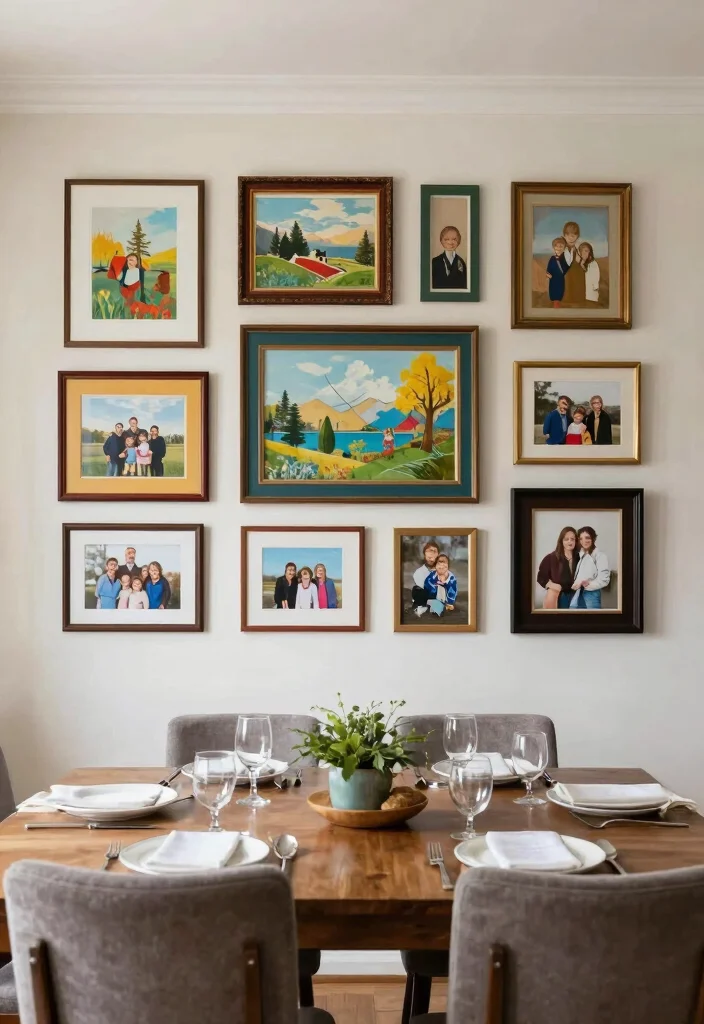
Framing your wall art with molding creates an engaging gallery-style look in your dining room. This approach not only showcases your collection but also personalizes your space without overwhelming it. Choose simple trim or ornate moldings based on your style, allowing flexibility in your decor.
For an eclectic vibe, use various sizes and shapes of frames. Select artworks that resonate with your family, be it cherished photos or vibrant abstracts.
Stylize your art with these framing tips:
– Mix frame styles for a unique gallery wall
– Use a consistent color scheme for visual unity
– Incorporate meaningful art pieces that spark conversation
With framed art, your dining room transforms into a personal gallery, encouraging storytelling and connection during meals.
Fun Wall Art Frames
Editor’s Choice




11. Bold Accent Walls
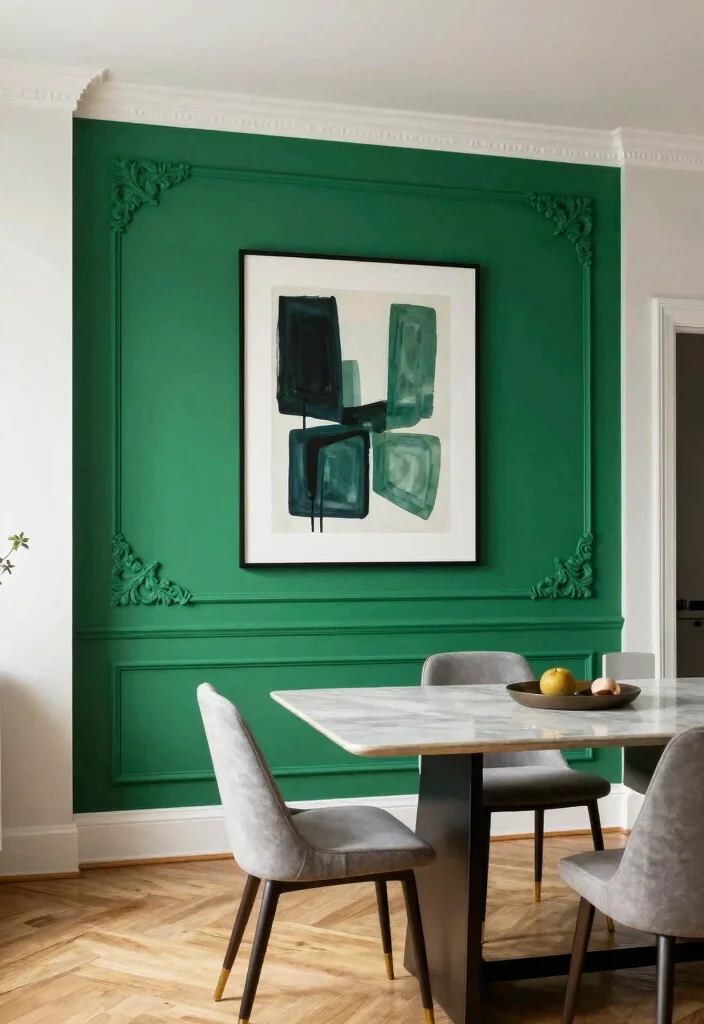
A bold accent wall serves as a striking backdrop for your dining area. Using molding to define this accent adds an element of sophistication and enhances your overall design. Whether you opt for an ombre effect, geometric patterns, or a single vibrant color, the result can redefine your space.
This idea is particularly effective in smaller dining rooms, where the right treatment can create depth. Pair a large piece of art against the accent wall to draw attention and elevate the decor.
Create a memorable space with these accent wall ideas:
– Use wallpaper or wood panels to introduce texture
– Design an accent wall that complements your furnishings
– Experiment with colors that evoke warmth and comfort
An accent wall with molding infuses personality into your dining area, making every meal feel like a special occasion.
12. Stylish Archways
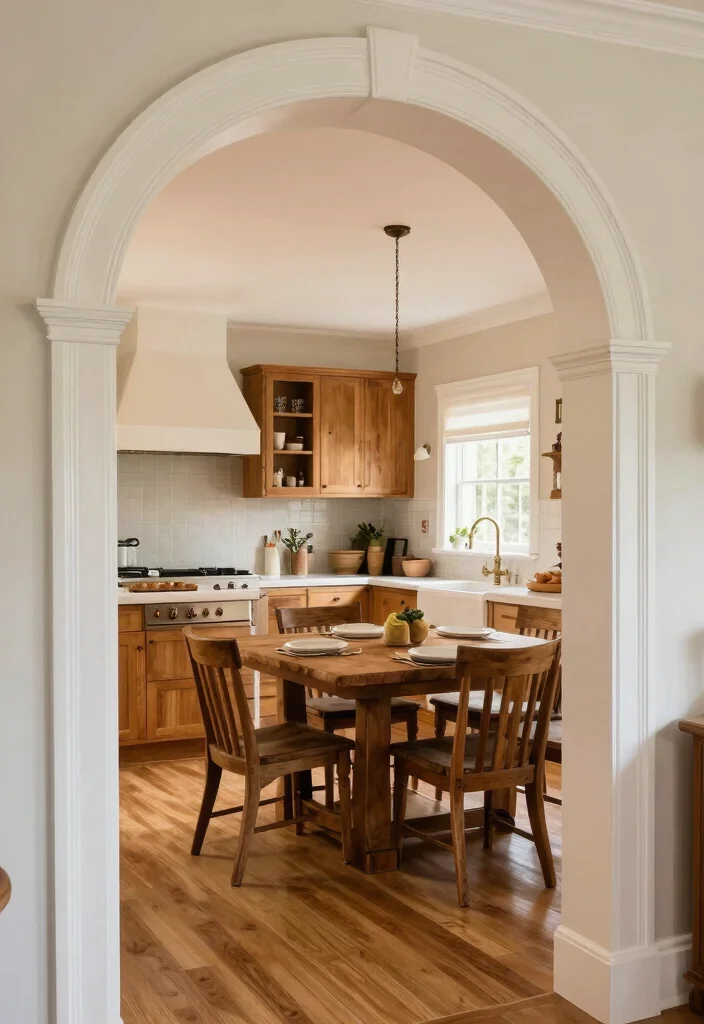
Adding stylish archways in your dining room can create an inviting transition between spaces. Whether leading to an open kitchen or living area, archways framed with decorative molding enhance your home’s architectural charm. This design is particularly effective in smaller rooms, providing a sense of flow without isolating spaces.
For modifications, consider hiring a professional for seamless installation. Enhance archways with decorative molding for a polished finish that adds elegance.
Incorporate archways into your design with these tips:
– Frame archways with bold molding for dramatic effect
– Use archways to connect multiple areas for visual unity
– Decorate with lighting fixtures that highlight the arch design
Stylish archways foster connection in open layouts, enriching your dining experience with character and flow.
13. Layered Lighting with Molding
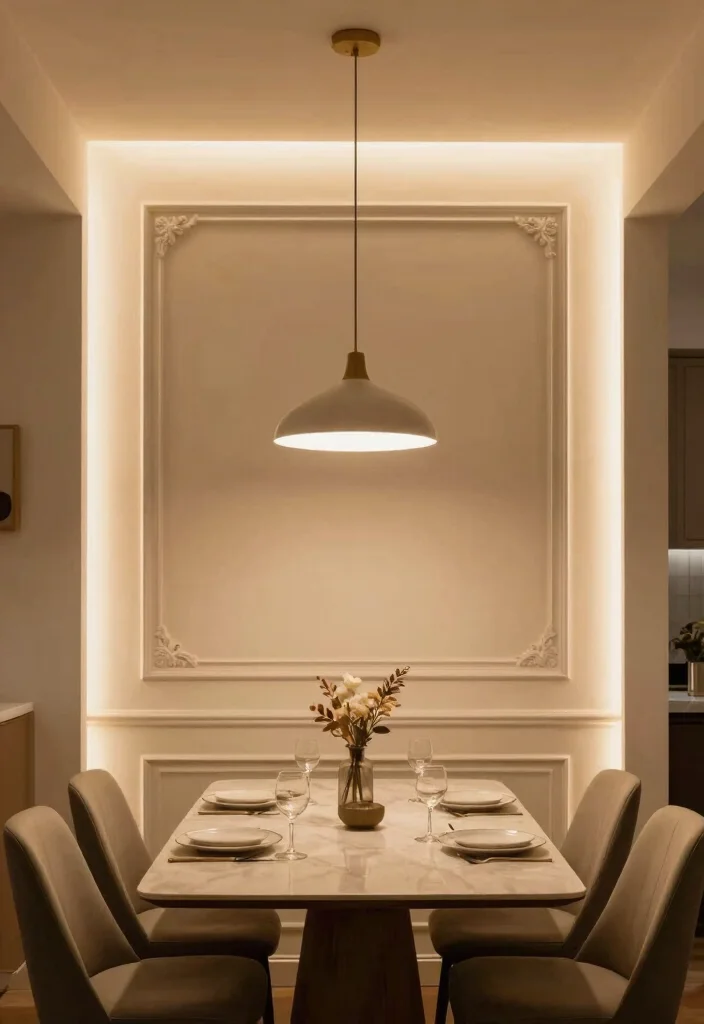
Combining decorative molding with layered lighting can significantly enhance your dining room’s ambiance. Cove lighting along the edges of moldings creates a soft glow that highlights architectural features and sets the mood for meals. Layering different light sources, including pendants and sconces, adds depth to your space.
For flexibility, incorporate dimmable options to adjust the lighting based on the occasion. Warm-toned bulbs contribute to a cozy atmosphere that invites relaxation.
Transform your dining area with these lighting tips:
– Add cove lighting to accentuate molding
– Use multiple light sources for versatility
– Choose fixtures that complement the molding style
Layered lighting paired with molding enhances both function and aesthetics, ensuring your dining space is always inviting for any gathering.
14. Unique Decorative Cornices
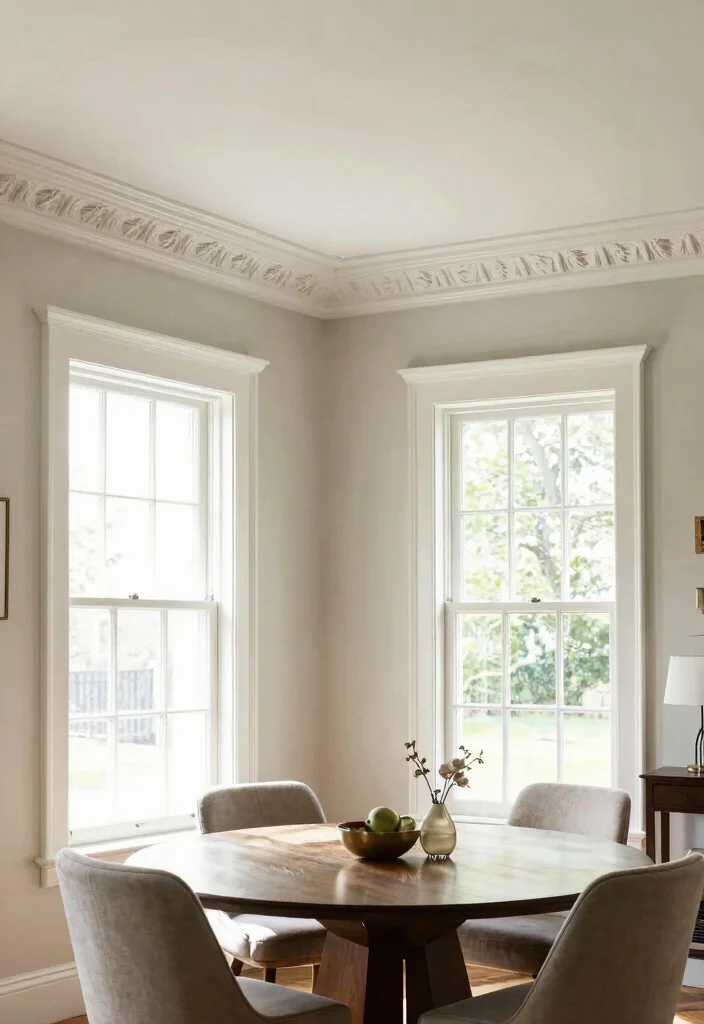
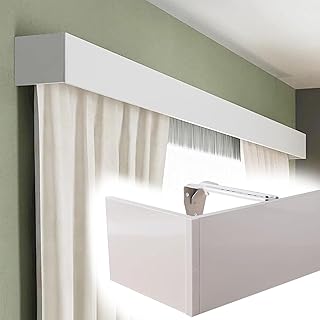
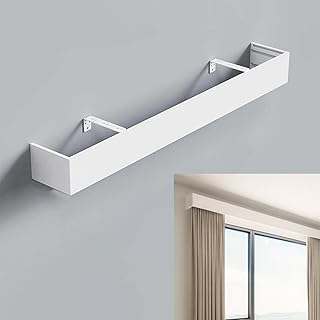
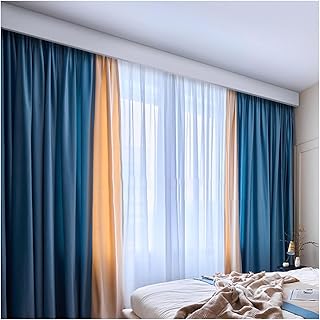
Incorporating unique decorative cornices above your windows can beautifully tie your dining room design together. These charming touches frame your view and provide an excellent opportunity to include molding, creating a curated look. Whether you prefer classic or contemporary styles, cornices add depth and interest, making windows a focal point.
For added flair, consider using fabric or wood for cornices that harmonize with your decor. Ensure the cornice is appropriately proportioned to avoid overpowering your space.
Enhance your windows with these cornice ideas:
– Use contrasting colors to make the cornice pop
– Decorate cornices with complementary decor elements
– Select designs that echo other architectural features in the room
Unique decorative cornices elevate your dining room’s style while providing practical solutions for window treatments, seamlessly blending form and function.
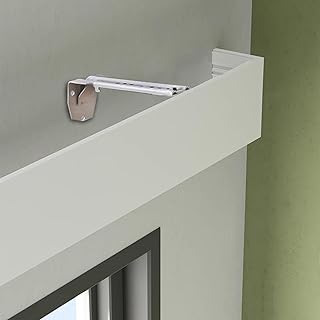
Cornices aren’t just pretty—they’re practical, especially in small dining spaces. Pro tip: choose a fabric or wood cornice that matches your dining room molding ideas, then line with a simple trim to instantly frame windows and elevate your décor.
Unique Decorative Cornices
Editor’s Choice

Conclusion
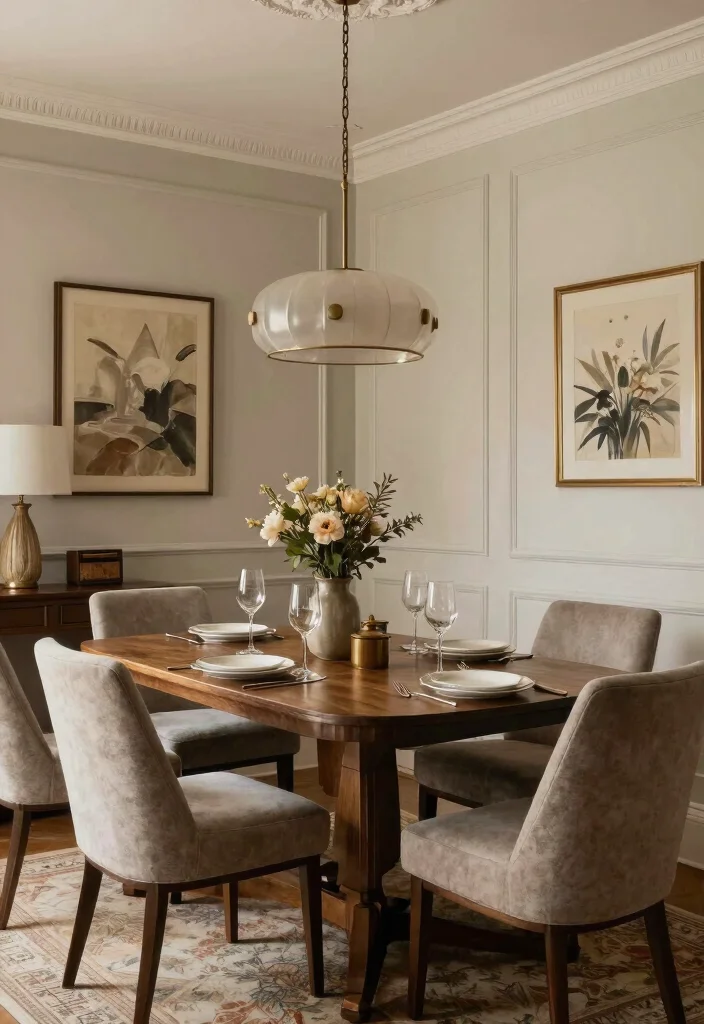
Elevating your dining room with molding doesn’t have to be an overwhelming task. From the classic elegance of crown molding to the rustic charm of wood accents, these 14 ideas provide a diverse range of options to enhance any small dining space. Small changes can lead to a big impact, transforming your dining area into a stylish haven for family meals and entertaining friends. Embrace these trends and watch your dining room come to life!
Note: We aim to provide accurate product links, but some may occasionally expire or become unavailable. If this happens, please search directly on Amazon for the product or a suitable alternative.
This post contains Amazon affiliate links, meaning we may earn a small commission if you purchase through our links, at no extra cost to you.
Frequently Asked Questions
What are the best dining room molding ideas to elevate a small dining space?
Try starting with ceiling molding styles to add height in a small dining space. Pair that with wall trim ideas like simple picture-frame panels to create architectural details without crowding the room. Consider a slim chair rail to protect walls and define zones for dining room design. Keep the scale proportional to the room and use a cohesive modern dining decor palette so the molding feels intentional rather than busy. These dining room molding ideas are practical and easy to update later if you want a fresh look.
How do I choose ceiling molding styles that fit my dining room design?
Start by matching the ceiling molding style to your overall dining room design. Consider room height: taller ceilings can handle bold ceiling molding styles, while low ceilings benefit from slim profiles. Choose materials and finishes that harmonize with your furniture and lighting, and decide if you want the ceiling detail to be subtle or a statement. For a DIY-friendly approach, opt for pre-primed wood or foam and paint to tie everything together with your dining room design.
What are easy wall trim ideas that won’t overwhelm a small dining space?
Keep it simple with light, narrow trims and avoid heavy profiles. Try wall trim ideas like picture-frame panels or a single shallow rail to create subtle architectural details without shrinking the room. Paint the trim and walls in a cohesive or softly contrasting color to maintain an airy feel and align with your dining room design goals for modern dining decor.
Can I DIY dining room molding ideas in a tight budget and not ruin the look?
Absolutely. Start with one or two molding styles to avoid overload, then choose affordable materials like foam or vinyl. Plan a dry layout first, cut accurately, and use painter’s tape for clean lines. Nail, caulk gaps, and paint in 1–2 coats to keep costs down while achieving a polished finish that works with your dining room design and architectural details.
How can I combine molding ideas for a cohesive modern dining decor?
Pick a primary molding style (for example, ceiling crown or paneling) and carry a restrained version of it throughout walls or perimeters to create unity. Balance bold ceiling details with simpler wall trim ideas, and ensure color and materials echo the furniture and lighting for a unified dining room design and modern dining decor. Finish with clean lines and deliberate spacing to highlight architectural details without overwhelming the space.